
Patio furniture can transform your backyard into a welcoming retreat. Find pieces that handle U.S. weather, fit your space, and match your budget. Upgrade comfort and style without the guesswork.
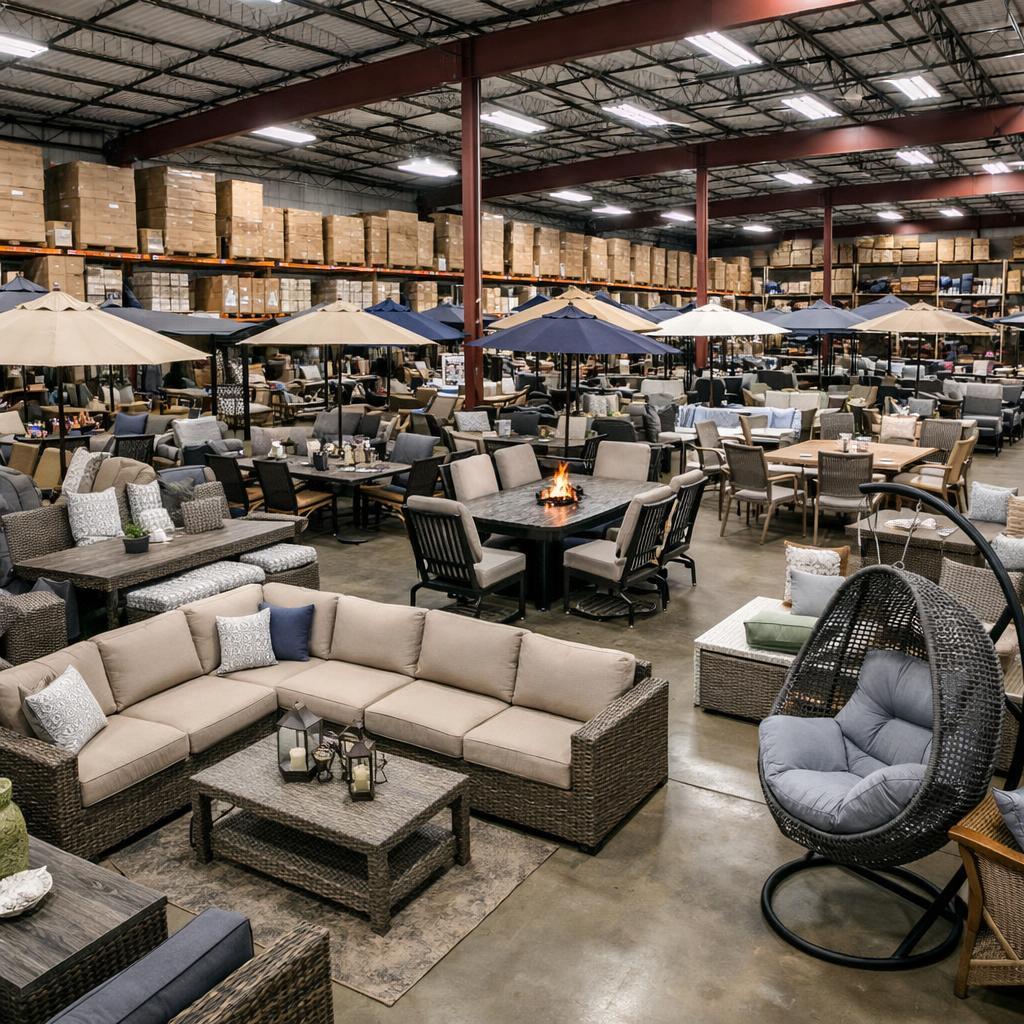
Plan Your Space Before You Buy
Start by matching the furniture to how you actually live outdoors. Do you host weekend barbecues, unwind with a book on weeknights, or work from your deck when the weather’s perfect? Measuring and mapping your patio makes every choice easier.
- Measure clearances: Leave 30–36 inches for walkways and door swings, 24 inches around dining chairs for push-back space, and at least 18 inches between seating and a coffee table.
- Right-size seating: Small balconies thrive with a 3-piece bistro set, while mid-size patios often fit a 4-piece conversation set. Larger yards can handle modular sectionals plus a dining set.
- Think zones: Create a dining zone near the grill, a chat zone oriented around a fire pit or coffee table, and a quiet corner for a chaise or rocker.
- Scale matters: Low-slung, deep seating looks modern but can overwhelm tiny spaces; slimmer frames in aluminum or acacia keep small patios airy.
Materials That Match Your Climate
The right frame and fabric can dramatically extend the life of your patio furniture. Choose based on local weather and maintenance preferences.
- Aluminum: Lightweight, rust-resistant, and easy to move. Great for coastal or humid climates; powder coating increases longevity.
- Steel/Wrought Iron: Very sturdy with a classic look; best in drier climates or when covered, as steel can corrode if coatings chip.
- Teak: Premium hardwood with natural oils; weathers to a beautiful gray and lasts for years with periodic oiling or sealing.
- Acacia/Eucalyptus: Attractive and budget-friendlier hardwoods; seal seasonally to reduce checking and fading.
- HDPE/Recycled Plastic: Hefty, colorfast, and virtually maintenance-free. Brands such as By the Yard specialize in this long-lasting option.
- All-Weather Wicker: Resin wicker over aluminum frames delivers texture without the upkeep of natural rattan.
- Fabrics: Solution-dyed acrylics (often labeled Sunbrella) resist fading and mildew; olefin is a strong, value alternative.
Real-World Price Snapshots
Below is a quick, colorful snapshot of typical U.S. pricing across popular retailers and brands. Prices vary by season and region, but this gives a solid sense of what to budget for common sets and materials.
Pricing is indicative and subject to change by retailer, location, and season.
Where to Shop and What Each Store Does Best
For breadth, value, and delivery options, these U.S. retailers make comparison shopping simple:
- Big-box selection: Explore wide assortments of outdoor seating and backyard solutions at Lowe’s patio furniture and value-friendly sets at The Home Depot, including curbside pickup and seasonal markdowns.
- Warehouse value: Members often find durable, higher-capacity sets and bundled cushions at Costco, ideal for larger families or frequent entertainers.
- Maintenance-free durability: If you prefer no sealing, no painting, and no splinters, recycled-plastic furniture from By the Yard is hard to beat for longevity and color stability.
- Stylish modular sets: For trend-forward sectionals, slatted wood frames, and on-trend finishes, browse Walker Edison outdoor furniture.
Care, Storage, and Year-Round Maintenance
Longevity comes from simple, consistent upkeep.
- Protect fabrics: Brush off debris weekly; spot-clean with mild soap. Store or cover cushions to prevent UV fading and mildew.
- Seal wood: Teak can be left to silver gracefully or oiled once or twice a year. Acacia and eucalyptus benefit from annual sealing.
- Control corrosion: Inspect metal frames for chips; touch up powder coat promptly to block rust.
- Go maintenance-free: HDPE furniture requires just soap and water, staying colorfast for years—especially compelling for lakeside, poolside, or coastal settings.
- Winter strategy: In freeze-prone regions, store furniture indoors or use breathable covers; raise pieces slightly to improve airflow and keep wicking moisture away.
Style Trends and Small-Space Ideas
Top U.S. trends include mixed materials (aluminum frames with teak accents), oversized loungers, and performance fabrics in earthy neutrals. Modular sectionals—often found at retailers like Walker Edison—let you grow seating over time. For compact patios, try:
- Nesting tables: Stack when not in use, expand for guests.
- Folding bistro sets: Stow instantly to reclaim space.
- Storage benches: Double-duty seating and cushion storage reduce clutter.
- Light frames: Powder-coated aluminum keeps sightlines open and bright.
Regional Notes for Columbus
Local climate should steer your material and storage choices. In hotter Columbus summers, prioritize UV-stable fabrics and breathable covers; in rainy stretches, look for quick-dry foam and rust-proof frames. If you’re in a storm-prone area, choose heavier bases, anchor sectionals with clips, and plan indoor storage during peak weather. HOAs in Columbus may have color or balcony rules—confirm before investing in bold hues or oversized pieces.
Quick Buying Checklist
- Measure twice: Confirm clearances for doors, grills, and walkways.
- Match material to climate: Aluminum/coated steel for humidity; teak/HDPE for longevity; wicker for texture with low upkeep.
- Test comfort: Aim for 20–24 inches seat depth for lounging; firmer cushions feel supportive and last longer.
- Plan storage: Covers or a shed/garage make a big difference in lifespan.
- Bundle smart: Look for sets with spare cushion covers or clips; check return windows and warranty terms.
- Shop sales: Best clearance often hits late summer and early fall; compare retailers like Lowe’s, The Home Depot, and Costco for end-of-season deals.
With the right plan, materials, and retailer, patio furniture becomes a year-round extension of your home—durable, comfortable, and perfectly tuned to your space.