
Unlock the potential of copay cards and make healthcare more affordable for your family. Discover how these cards can significantly lower your out-of-pocket expenses. Learn how copay cards help you save without compromising on healthcare quality.
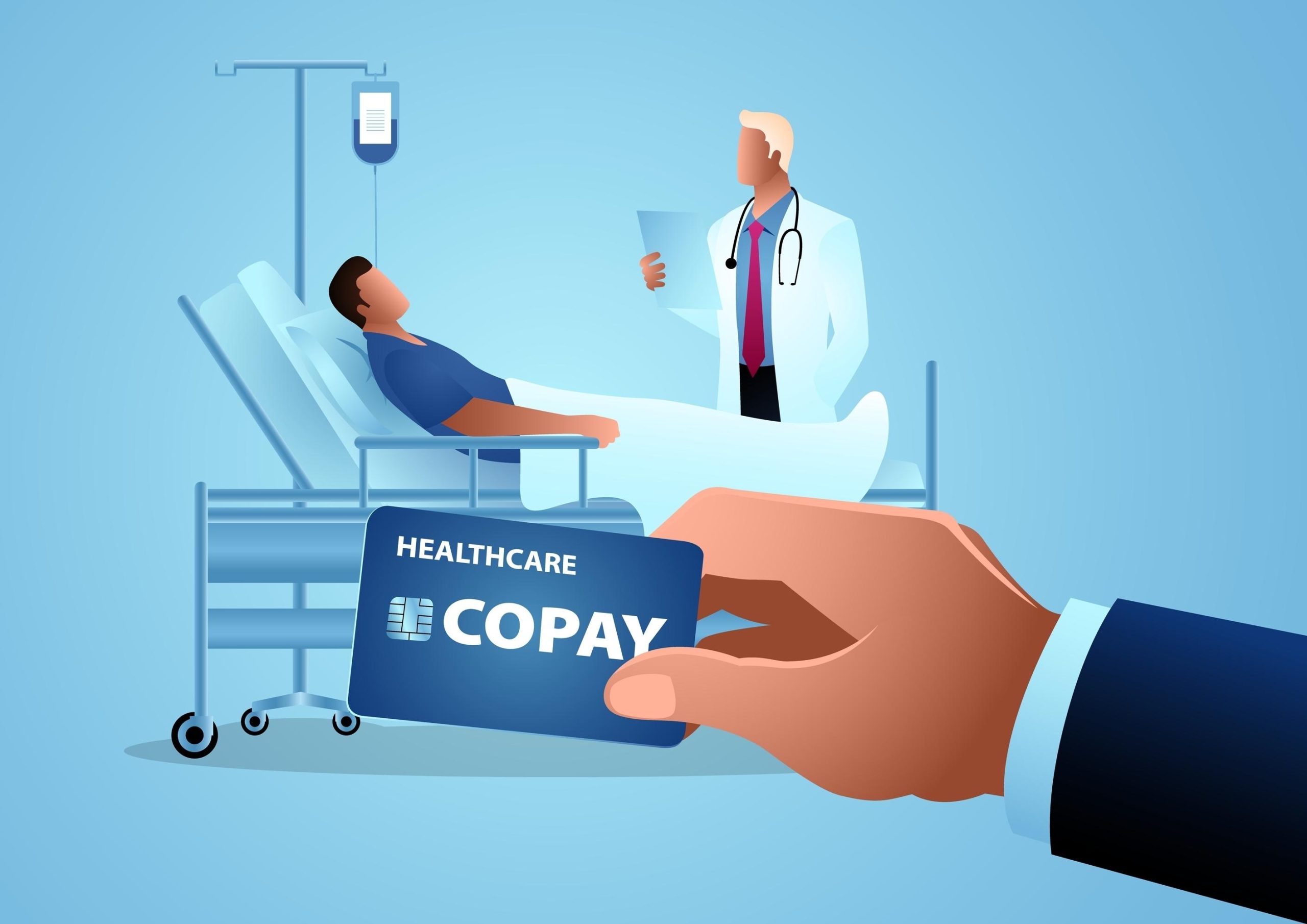
Understanding Copay Cards
In recent years, rising healthcare costs have posed a significant challenge for many families across the United States. Copay cards, provided primarily by pharmaceutical manufacturers, are designed to alleviate the financial burden of prescription medications. They offer discounts on copayment amounts, making expensive drugs more accessible to patients.
So, what exactly are copay cards? In essence, these are cards or digital coupons that reduce the amount you have to pay out of pocket when picking up prescription medications. Learn more about manufacturer copay cards to understand their intricacies and benefits.
Benefits of Using Copay Cards
Using a copay card can offer several advantages, particularly for those with chronic conditions or costly prescriptions. Here are the top benefits:
- Cost Savings: Copay cards can cover a significant portion of prescription costs, sometimes reducing copays to just a few dollars.
- Accessibility: They make high-cost medications more accessible, ensuring that more patients adhere to their prescribed treatment plans.
- Ease of Use: Often, copay cards are easy to obtain and use, requiring minimal effort for substantial savings.
Patients struggling with medication costs can explore options like the Patient Advocate Foundation’s Co-Pay Relief, which provides assistance programs beyond typical copay cards.
How to Obtain and Use Copay Cards
Obtaining a copay card is generally a straightforward process. Here’s how you can get started:
1. Talk to Your Doctor or Pharmacist: They often have information on available copay cards for specific medications.
2. Visit the Manufacturer’s Website: Most pharmaceutical companies provide copay cards for their products online.
3. Use Copay Assistance Platforms: Websites like Accredo offer copay assistance, helping patients find the right card for their medication.
Once you’ve obtained a card, using it is as simple as presenting it at the pharmacy alongside your prescription.
Eligibility and Limitations
While copay cards offer substantial savings, they do come with certain eligibility requirements and limitations:
- Insurance Requirements: Most copay cards are available only to patients with commercial insurance, excluding those on government programs like Medicare or Medicaid.
- Annual Savings Limit: Many cards have a cap on annual savings or usage, which means the card will only provide discounts up to a certain amount each year.
- Participating Pharmacies: Some cards can only be used at specific pharmacy chains.
For more insights into this sphere, check out this detailed guide on copay cards in specialty pharmacy.
Comparison of Top Copay Cards
To navigate the world of copay cards, here's a comparative look at some popular options:
| Program Name | Monthly Savings | Participating Pharmacies |
|---|---|---|
| CopayRx Savings | Up to $150 | CVS, Walgreens |
| MedSecure Assist | Up to $200 | Rite Aid, Walmart |
| PharmaHelp Program | Up to $100 | Kroger, Safeway |
| GoodHealth Copay Card | Up to $250 | CVS, Walmart |
| SavingRx Tool | Up to $300 | Walgreens, Target |
Conclusion
In an era of high healthcare costs, copay cards present a practical solution for patients needing expensive medications. By reducing out-of-pocket expenses, they ensure that necessary treatments remain accessible, thereby improving patient health outcomes and adherence to treatment plans. For further resources on financial aid and support, check the co-pay card and financial assistance options available.
Copay cards are not just an aid; they are a lifeline, allowing patients to focus on their health rather than financial constraints. Embrace these resources to help mitigate the burden of rising healthcare costs.