
Want a fence that stays crisp without constant upkeep? Plastic fences offer privacy, security, and curb appeal with impressive longevity. Explore smart options, real pricing, and how to get pro-level results.
What Counts as a Plastic Fence?
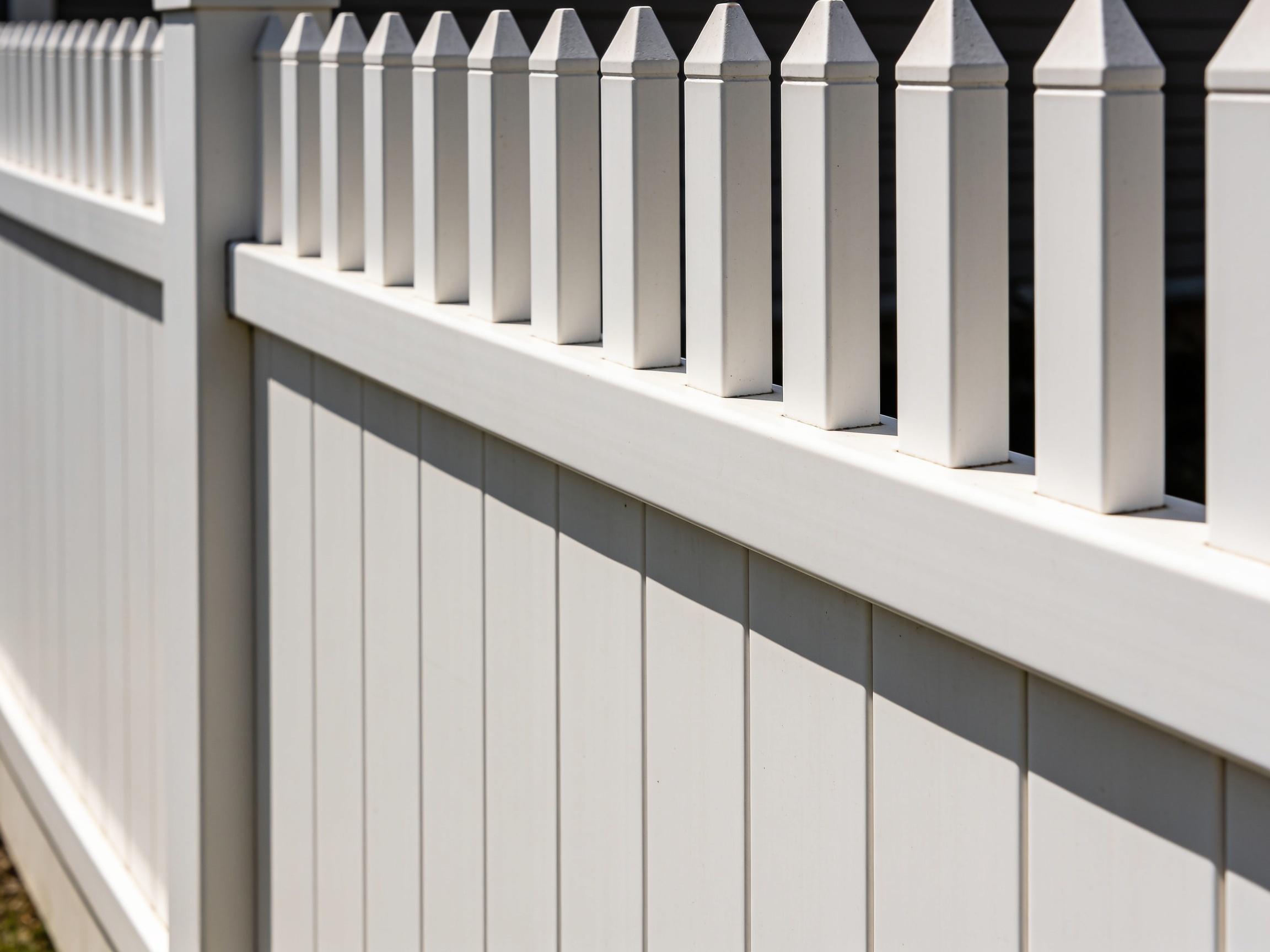
Plastic fences typically refer to systems made from rigid PVC (vinyl), composite blends (plastic plus wood flour), or recycled HDPE. In the US, vinyl PVC dominates because it resists rot, insects, moisture, and UV fade better than many painted woods. Panels come in privacy, semi-privacy, picket, and ranch-rail styles, with matching posts, rails, and decorative caps.
- Vinyl (PVC) Fences: Low-maintenance, color-through material that won’t warp or splinter; available in smooth, matte, and wood-grain textures.
- Composite Fences: Combine plastic with wood fibers for a warmer, wood-like appearance with improved stability; heavier than pure vinyl.
- Recycled HDPE Systems: Often used for ranch and privacy panels where sustainability and impact resistance matter.
Why Homeowners Choose Plastic: Benefits and Watchouts
- Low Maintenance: No painting or staining; rinse with a garden hose to remove dust and pollen.
- Consistent Look: Color-through technology helps hide scratches, and UV inhibitors reduce fading.
- Strong Value: Higher upfront cost than basic wood, but savings accrue over years with minimal upkeep.
- Design Variety: Privacy, shadowbox, picket, lattice-top, and ranch-rail options match most architectural styles.
- Watchouts: Low-grade vinyl can chalk or crack; choose reputable brands and adequate post reinforcement in wind/snow regions.
Respected Brands and Where to Buy
If you want a premium, low-gloss finish, reinforced rails, and tested wind ratings, look at established lines. Many US installers source from national manufacturers and regional distributors, so homeowners can compare tiers and warranties before committing.
- For premium profiles, see Bufftech vinyl fences from CertainTeed, known for realistic textures and robust impact resistance.
- Compare materials across categories at Catalyst Fence Products, which highlights vinyl, aluminum, and steel systems so you can balance looks with function.
- Planning a large project or commercial run? Browse Vinyl fence panels from a PVC privacy fence bulk supplier to understand factory specs and order efficiencies.
- DIYers who want straightforward kits can explore DIY vinyl fence kits that include panels, posts, caps, and hardware.
- Need design inspiration? Scan plastic fence stock photos to visualize heights, top rails, and accents before you buy.
Real-World Pricing in the US
Material pricing for plastic fences varies by profile, color, texture, and brand. Basic white privacy vinyl is the most affordable; driftwood or embossed grains cost more. Labor depends on soil conditions, post depth, and site access. As a rule of thumb, many US homeowners see installed totals from $28 to $70 per linear foot for typical 6-foot privacy projects, while DIY material-only totals often land between $12 and $35 per linear foot.
Below is a sample snapshot of publicly advertised or commonly quoted material pricing ranges for 6-foot privacy vinyl (materials only). Prices fluctuate by region and availability.
| Company/Brand | Location/Region | Sample Price (Materials $/LF) |
|---|---|---|
| A to Z Fence Supplies (Economy Vinyl) | Mesa, AZ | $12–$17 |
| Home Depot (Veranda) | Nationwide | $14–$25 |
| Lowe’s (Freedom) | Nationwide | $16–$30 |
| Menards (Midwest Mfg.) | Midwest | $12–$22 |
| Signet Fence (Bufftech by CertainTeed) | Pittsburgh, PA (Ships US) | $28–$45 |
| ActiveYards Dealers | Northeast/Southeast | $23–$38 |
| Fence Outlet | Orlando, FL | $14–$26 |
| Superior Fence & Rail (Materials) | Multiple US Cities | $19–$33 |
| LXFence Factory (Bulk Orders) | Factory Direct (Import) | $9–$15 |
| Catalyst Fence Products Distributors | Southeast | $20–$36 |
Pro installation commonly adds $16–$35 per linear foot on top of materials for a straightforward yard with normal soil. Rocky ground, roots, tight access, and custom gates can increase labor.
Installation Roadmap: DIY or Pro?
Many homeowners choose DIY for straight runs and hire pros for sloped or complex yards. Either way, proper post depth and alignment are critical to long-term performance.
- Layout: Mark property lines, utilities, gate swings, and post centers (often 6–8 feet on center).
- Footings: Dig below frost line where applicable; bell the bottom for uplift resistance; set posts plumb in concrete.
- Rails & Panels: Let concrete cure per manufacturer guidance; snap-in or screw rails, then insert panels or pickets.
- Gates: Use reinforced hinge posts and adjustable hinges; confirm latch height for code compliance.
- Finish: Cap posts, clean surfaces, and confirm even reveals and consistent heights across runs.
Design and Code Tips for Columbus
Local rules matter. Many US municipalities limit front-yard fence heights to 3–4 feet and allow 6–8 feet in backyards. HOAs may require specific colors (often white, tan, or clay) and prohibit certain toppers.
- Call Before You Dig: Contact 811 to mark utilities prior to digging post holes in Columbus.
- Wind & Snow: In coastal or high-wind zones, select reinforced rails and thicker posts; in snow regions, plan gate clearances so they open after drifts.
- Pool Barriers: If fencing a pool, verify latch height, self-closing hinges, and non-climbable spacing per local pool code.
Care and Longevity
Plastic fences are famously easy to care for. Rinse seasonally; spot-clean with mild soap. For tougher algae or soot, use a diluted household cleaner and a soft brush. Avoid harsh abrasives and pressure washers close to seams. Expect decades of service from quality vinyl, especially if you choose profiles with aluminum-reinforced rails and UV-stabilized compounds.
Sustainability and Upcycling
Vinyl and HDPE do not require repainting or chemical stains over their life. Some suppliers use recycled content and accept scrap for recycling. If sustainability is a priority, ask your dealer about take-back programs and third-party testing for UV stability so the fence stays in service longer.
How to Choose the Right Plastic Fence
- Match the Architecture: Picket for cottages, privacy with lattice for traditional homes, and sleek vertical panels for modern builds.
- Assess Privacy Needs: Full privacy for patios, semi-privacy near gardens to allow airflow, and ranch-rail for property lines.
- Select a Warranty Tier: Premium lines such as Bufftech vinyl fences from CertainTeed often include robust warranties and impact testing.
- Plan the Gate Package: Heavier frames, upgraded hinges, and key-lockable latches protect high-traffic entries.
- Balance Budget & Looks: Compare economy DIY options like DIY vinyl fence kits with mid-tier lines from Catalyst Fence Products to hit your price and style targets.
Next Steps
Measure your perimeter, note slopes, and list gate locations. Price a DIY package online, then get two or three local install quotes for comparison. For inspiration and product vetting, keep these resources handy: plastic fence stock photos, vinyl, aluminum, and steel options, factory-direct references like PVC privacy fence bulk suppliers, and premium selections including Bufftech. With smart planning, plastic fences deliver long-lasting beauty, reliable privacy, and solid resale appeal across the US.