
Title: Mold Remediation: Health, Safety, Cost
Mold spreads quickly and harms indoor air quality. Mold remediation stops growth at the source and restores a healthier home. Learn what professionals do, how much it costs, and how to prevent it from returning.
What Mold Remediation Really Involves
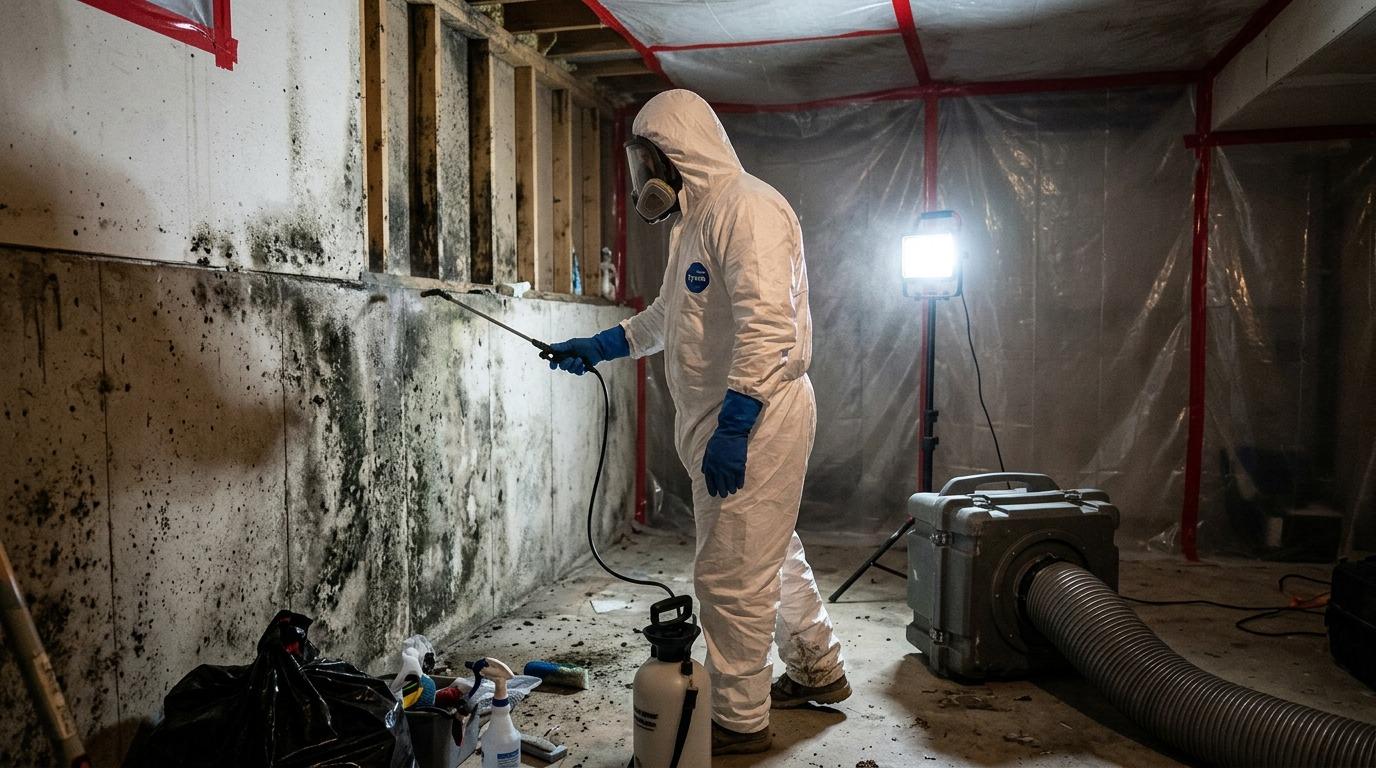
Mold remediation is a structured process designed to locate, contain, remove, and prevent the return of mold—while keeping occupants safe and minimizing disruption. Unlike simple cleaning, professional remediation addresses the moisture problem that fuels growth and uses negative air pressure, HEPA filtration, and proper personal protective equipment to ensure spores aren’t dispersed to clean areas. Reputable teams document affected materials, outline a scope of work, and finish with post-remediation verification to confirm success before reconstruction begins. If you want a sense of what this looks like in practice, reputable service providers such as ServiceMaster DSI in Wichita, ServiceMaster by Benevento in Fresno, and Paul Davis in Indianapolis explain the difference between a quick wipe-down and a true remediation plan that eliminates the source.
Health Risks and When to Call a Pro
Exposure to indoor mold can aggravate allergies and asthma, irritate eyes and skin, and create musty odors that signal hidden moisture damage. Large areas of visible growth, musty smells that return after DIY cleaning, recurring water leaks, or symptoms that worsen at home are red flags. Call a licensed, insured, and certified remediation contractor if mold covers more than 10 square feet, is present after water damage, or involves porous building materials like drywall and insulation. Professionals will also recognize material deterioration and hidden cavities where mold thrives out of sight.
Step-by-Step: From Inspection to Clearance
- Assessment and Moisture Mapping: A trained technician inspects visible areas and uses tools (moisture meters, thermal cameras) to trace water paths behind walls, under floors, and around HVAC components.
- Containment and Negative Pressure: Plastic barriers and HEPA-filtered negative air machines isolate the work zone, stopping spores from spreading to clean rooms.
- Air Filtration and PPE: HEPA air scrubbers capture airborne spores while technicians wear respirators and protective suits for safety.
- Removal and Cleaning: Technicians remove unsalvageable porous materials and clean remaining surfaces using HEPA vacuuming and antimicrobial solutions approved for the application.
- Drying and Dehumidification: Industrial dehumidifiers and air movers bring moisture to safe levels so mold can’t return.
- Post-Remediation Verification: Visual inspection and, when appropriate, third-party testing verify that the area is clean and dry before restoration.
- Documentation: Photos, logs, and moisture readings support insurance claims and future property disclosures.
Cost Factors and Timelines
Several variables influence cost: size of the affected area, accessibility (attics, crawlspaces, tight mechanical rooms), material removal and reconstruction needs, whether HVAC components are involved, and local labor rates. Small, contained projects may finish in a day; larger jobs with demolition, drying, and clearance testing can take a week or more. Independent labs or inspectors, if used, add cost but provide an extra layer of verification that many homeowners and buyers appreciate.
Below is a sample of typical inspection fees and remediation ranges in U.S. markets. Actual quotes depend on your specific site conditions, moisture source, and materials affected.
| City / Provider or Market | Inspection Fee (est.) | Typical Remediation Range |
|---|---|---|
| ServiceMaster DSI (Wichita, KS) | $0–$199 | $1,200–$4,000 |
| ServiceMaster by Benevento (Fresno, CA) | $99–$250 | $1,500–$6,000 |
| Top-rated Pros (Pittsburgh, PA) | $100–$300 | $1,300–$5,500 |
| Top-rated Pros (Oklahoma City, OK) | $75–$250 | $1,000–$4,500 |
| Paul Davis (Indianapolis, IN) | $0–$200 | $1,200–$5,000 |
| Seattle, WA (market average) | $150–$350 | $1,800–$7,000 |
| Miami, FL (market average) | $100–$300 | $1,400–$6,500 |
| Phoenix, AZ (market average) | $100–$250 | $1,200–$5,800 |
| United States (national typical) | $0–$300 | $1,125–$3,439 |
Tip: Ask whether the initial site visit is a free visual assessment or a paid diagnostic that includes moisture mapping and a written protocol. A detailed, photo-documented scope can save money later by preventing change orders and ensuring insurers have what they need.
Choosing a Qualified Team Near You
Look for firms that carry general liability, pollution liability, and workers’ compensation insurance, and whose technicians hold IICRC certifications in mold remediation or applied microbial remediation. Verify they provide written containment and disposal plans, and ask how they protect clean areas during the job. For easy local options and reviews, start with:
- Wichita, KS: ServiceMaster DSI Mold Remediation
- Fresno, CA: ServiceMaster by Benevento Residential Mold Services
- Pittsburgh, PA: Top-Rated Mold Remediation Pros (Yelp)
- Oklahoma City, OK: Top-Rated Mold Remediation Pros (Yelp)
- Indianapolis, IN: Paul Davis Mold Damage Restoration
DIY vs. Professional: What’s Safe to Handle
- Small, Non-Porous Surfaces: If mold covers a very small area (often cited as under 10 sq. ft.) on tile or glass, homeowners may carefully clean with detergent and water, dry the area fully, and address the moisture source. Wear gloves, goggles, and an N95 respirator.
- When to Avoid DIY: Porous materials like drywall, carpet, and insulation usually require removal. If you smell mustiness without visible mold, or if HVAC systems and crawlspaces are involved, professional containment and HEPA filtration are needed.
- Moisture First: Whether DIY or pro, stopping leaks and controlling humidity (ideally 30–50%) is non-negotiable. Otherwise, mold will reappear.
Prevention After Remediation
Successful remediation ends with preventing recurrence. Pair building fixes with ongoing monitoring so the space stays dry and clean.
- Control Humidity: Use dehumidifiers in basements and bathrooms; keep indoor RH between 30–50%.
- Improve Ventilation: Run exhaust fans during and after showers and cooking; ensure dryer vents exhaust outdoors.
- Fix Water Intrusion: Seal exterior cracks, maintain gutters/downspouts, and grade soil away from the foundation.
- Insulate and Air Seal: Prevent condensation in attics and on cold surfaces by improving insulation and air sealing penetrations.
- Maintain HVAC: Replace filters regularly and have ductwork inspected if you’ve had mold issues.
- Monitor: Place inexpensive humidity sensors in risk zones (bathrooms, basements, attics) and respond quickly to spikes.
What to Expect in Columbus and Beyond
Reputable Columbus mold remediation teams will begin with a clear plan: identify the moisture source, establish containment, remove contaminated materials, and verify that the space is dry and clean before reconstruction. Expect transparent communication about scope, costs, and timelines, along with daily job updates and a final report. With certified professionals, proven containment methods, and a focus on moisture control, you’ll not only solve today’s problem—you’ll also make your home more resilient to future mold growth.