
Groundbreaking diabetes studies are enrolling now. See how you can access new treatments, expert care, and compensation. Learn where to find safe, reputable trials across the U.S.
Why diabetes clinical trials matter
Diabetes clinical trials speed the discovery of safer drugs, smarter devices, and better care models. Participants help answer urgent questions about blood glucose control, weight management, cardiovascular risk, kidney protection, and complication prevention—while often receiving no-cost study care, close monitoring, and travel reimbursements. For a clear overview of what trials are, why they’re needed, and how they’re governed, start with the National Institute of Diabetes and Digestive and Kidney Diseases: Clinical Trials for Diabetes - NIDDK. You can also browse opportunities and education through the American Diabetes Association’s resource hub: Clinical Trials.
Types of trials enrolling now
Diabetes research spans prevention, treatment, technology, and lifestyle. Common categories include:
- Type 1 diabetes immunotherapy and screening: Studies may assess antibody screening, early-stage interventions to delay onset, or immune-modulating therapies for recent-onset T1D. Explore opportunities via Type 1 Diabetes Clinical Trials.
- Type 2 diabetes medications: From GLP-1/GIP agonists to SGLT2 inhibitors, novel molecules aim to improve A1C, weight, and organ protection. See industry-led research areas at Lilly Diabetes Clinical Trials | Endocrinology Research.
- Devices and digital health: Continuous glucose monitors (CGMs), insulin pumps, closed-loop algorithms, and connected coaching platforms are frequently studied to improve time-in-range and ease of use.
- Complication prevention: Trials target kidney disease (albuminuria reduction), cardiovascular outcomes, neuropathy, retinopathy, and fatty liver disease associated with diabetes.
- Behavioral and nutrition programs: Structured lifestyle interventions, medical nutrition therapy, and physical activity protocols test outcomes like weight loss, A1C change, and medication reduction.
Leading academic centers often host multiple diabetes protocols—browse a current roster at All Clinical Trials from Joslin Diabetes Center.
Who can participate and basic eligibility
Each trial has “inclusion” and “exclusion” criteria designed to protect participants and ensure high-quality results. You may see requirements based on:
- Diagnosis/type: Prediabetes, type 1 diabetes, type 2 diabetes, or specific complication risk.
- Age and sex: Some pediatric or adult-only trials; certain studies require balanced enrollment by sex.
- Current treatment: Insulin regimens, oral agents, or device experience (e.g., CGM users vs. CGM-naive).
- Biometrics: A1C ranges (for example 7.0–10.0%), BMI thresholds, kidney function, or blood pressure ranges.
- Medical history: Prior cardiovascular events, pancreatitis risk, autoimmune conditions, pregnancy status, or other factors.
The research team will screen you carefully to confirm fit, answer questions, and ensure safety.
Safety, oversight, and your rights
Every reputable U.S. study is reviewed by an Institutional Review Board (IRB) and, for many interventional trials, monitored by a Data and Safety Monitoring Board (DSMB). Before any procedures, you’ll review an informed consent document that explains the purpose, visit schedule, procedures, potential benefits and risks, compensation, and confidentiality protections. Participation is always voluntary; you can withdraw at any time without penalty or loss of regular medical care.
What to expect: visits, time, and stipends
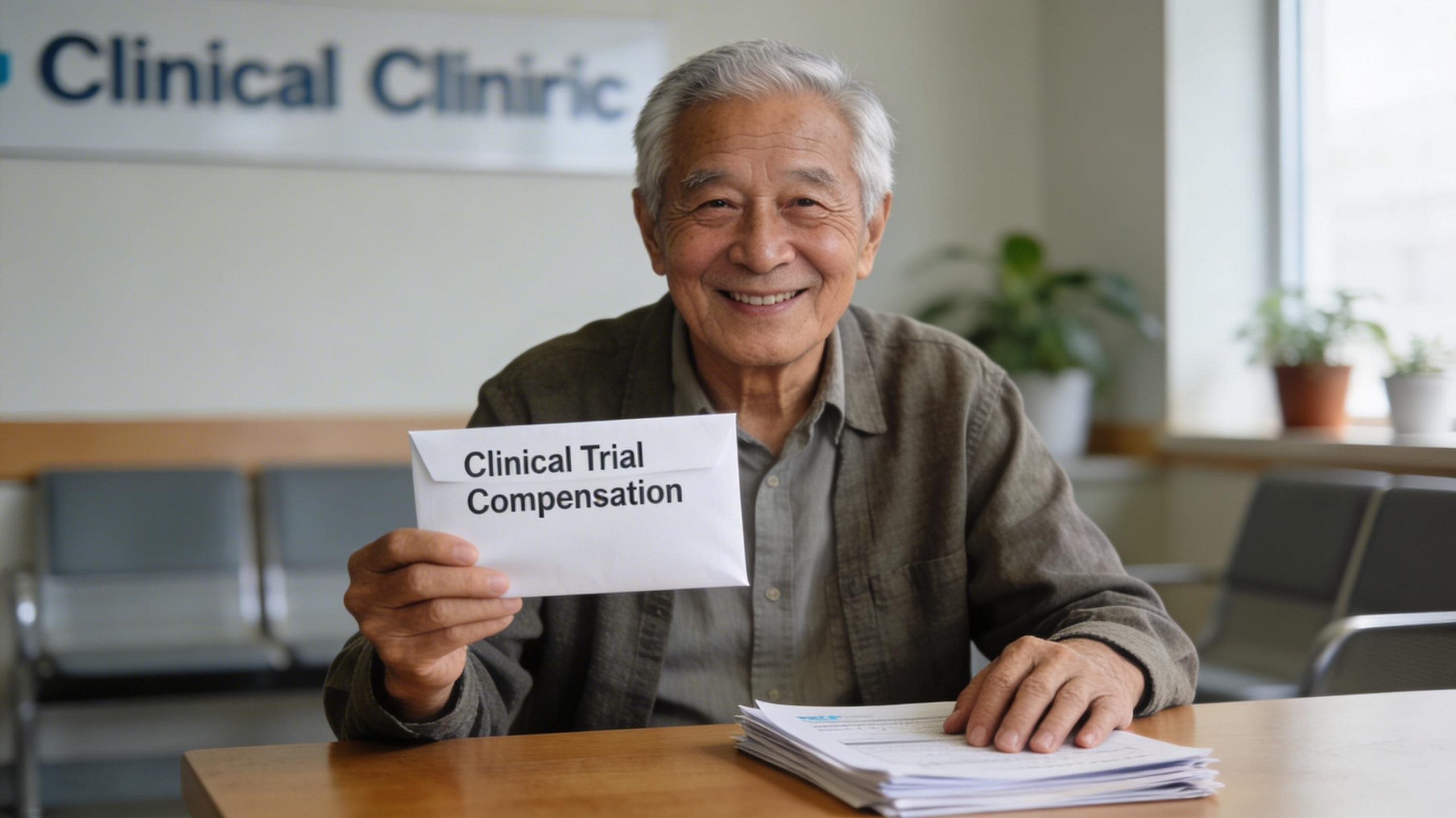
Most trials start with a screening visit including labs (A1C, fasting glucose, lipids), vitals, and medical history. If eligible, you may be randomized (for controlled studies) or assigned to an open-label treatment. Visit frequency varies—from home-based remote monitoring to monthly clinic visits or occasional long days for metabolic testing. Many sponsors cover all study-related care at no cost, offer travel/parking reimbursement, and provide stipends for your time. Amounts vary by protocol, location, and visit length; ask the site coordinator for a written schedule of events and compensation details.
Below is a sample comparison of typical U.S. cash prices—what people might pay out of pocket outside a study—versus the $0 most participants pay for study-related services. These example amounts are drawn from commonly listed cash prices on major direct-access lab marketplaces and retail sources and are provided for context only; your costs may differ.
| Test or Item | Sample Cash Price (USD) | Typical Trial Relevance |
|---|---|---|
| A1C (Hemoglobin A1c) — QuestDirect example | $59 | Eligibility and outcome measure |
| Fasting Plasma Glucose — Labcorp OnDemand example | $29 | Screening and monitoring |
| Oral Glucose Tolerance Test (2-hr, 75g) | $99 | Prediabetes/T2D classification |
| Lipid Panel — QuestDirect example | $49 | Cardiometabolic risk assessment |
| Comprehensive Metabolic Panel (CMP) | $29 | Kidney/liver safety checks |
| Urine Microalbumin/Creatinine Ratio | $39 | Kidney complication screening |
| C‑Peptide | $79 | Beta-cell function in T1D/T2D |
| GAD65 Autoantibodies | $139 | T1D autoimmunity assessment |
| Dexcom G7 Sensors (approx. 3/month) | $270 | CGM use in device/drug trials |
| FreeStyle Libre 3 Sensors (approx. 2/month) | $150 | CGM use in device/drug trials |
| Ketone Blood Strips (50 ct.) | $25 | Safety in insulin or fasting studies |
| ECG (clinic cash price, basic) | $50 | Cardiac safety monitoring |
How to find the right trial for you
Use trusted sources and refine by location, diagnosis, and logistics:
- National finders: The American Diabetes Association clinical trials finder and the NIDDK overview of diabetes clinical trials provide education and links to active studies.
- Condition-specific networks: For T1D-focused opportunities, visit Breakthrough T1D clinical trials.
- Academic centers: Browse renowned programs like Joslin clinical trials for device, drug, and lifestyle studies.
- Industry sponsors: Explore major sponsors’ research areas, such as Lilly diabetes trials, to understand pipelines and eligibility themes.
Tip: Ask sites whether they offer remote visits, home nursing, or flexible scheduling to reduce travel.
Smart questions to ask the research team
- What are the main goals and endpoints? Understand what success looks like and how your data contributes.
- What are the visit schedules and time commitments? Get a calendar with windows, duration, and any fasting requirements.
- What costs are covered? Confirm that study-related tests, devices, and medications are provided at no cost, and ask about travel/parking reimbursement.
- What are potential risks and side effects? Review safety monitoring, 24/7 contacts, and criteria for stopping the study drug/device.
- Will I receive results? Ask about personal lab reports, device data, and when overall study findings will be shared.
Parents, caregivers, and newly diagnosed families
Pediatric and young-adult studies often include flexible scheduling, school-friendly appointments, and caregiver training. Many device trials provide loaner CGMs/pumps and real-time coaching that can help families build confidence. For T1D prevention or early-stage interventions, programs listed at Breakthrough T1D can help you determine eligibility and next steps.
Equity, access, and support in Columbus
If you live in Columbus, contact nearby academic medical centers, certified diabetes care and education specialists (CDCES), and community clinics to ask about open studies and transportation assistance. Many sites partner with rideshare programs, offer child-care stipends, or provide interpreters to reduce participation barriers. If language, work schedules, or caregiving duties are concerns, tell the coordinator early—solutions often exist.
Take the next step
Whether you have type 1, type 2, or prediabetes—or you support someone who does—there’s likely a study that fits your goals and schedule. Start with the ADA clinical trials hub, learn the basics at NIDDK, scan specialty opportunities at Joslin and Breakthrough T1D, and review sponsor pipelines like Lilly. Your participation can expand access to cutting-edge care today and shape better diabetes outcomes for tomorrow.