
Discover how age-restricted apartments balance comfort, independence, and community. Learn what rents include, how to qualify, and where to find trusted listings. Compare real options and pricing so you can move confidently.
What Are Senior Apartments?
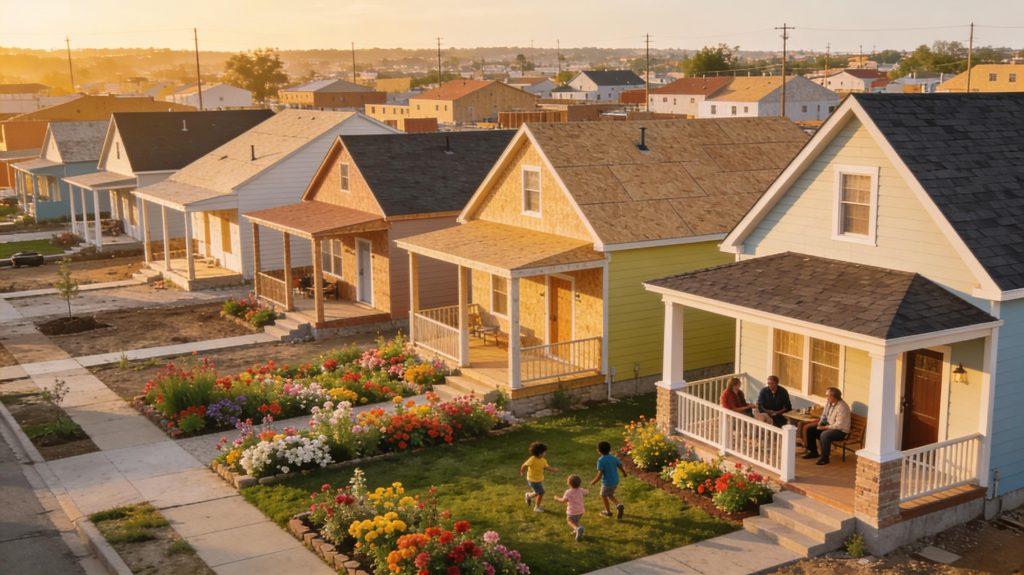
Senior apartments are age-restricted rental communities—typically 55+ or 62+—designed for older adults who want a simpler, maintenance-light lifestyle without the cost or services of assisted living. These properties focus on independent living, offering private apartments plus common-area amenities, social programming, and enhanced accessibility features. Unlike assisted living, senior apartments do not provide ongoing personal care or medical support; residents live independently and bring in services only if and when they choose.
Who Qualifies and How They Work
Most senior apartments set a minimum age (commonly 55+ or 62+). Additional eligibility may apply if the building is part of an affordable housing program (for example, income limits). Communities range from market-rate rentals to income-restricted options funded by programs such as LIHTC or Section 202.
- Age rules: Expect 55+ or 62+ minimum; spouses or partners under the age threshold may have exceptions depending on community rules.
- Income limits: Affordable senior apartments often verify income to ensure eligibility and to determine rent tiers.
- Lease terms: Standard leases are usually 12 months, though some offer shorter terms or renewals.
- Pets and parking: Many communities are pet-friendly (with breed/weight limits) and offer reserved parking or garages for a fee.
What Rent Typically Includes
Rents for senior apartments are shaped by location, apartment size, amenity level, and whether the property is market-rate or income-restricted. Many communities bundle certain utilities and offer a slate of social and wellness activities. Always confirm details with the leasing office.
- Common inclusions: Water/sewer, trash, community Wi‑Fi in shared spaces, fitness rooms, activity calendars, on-site management, and maintenance.
- Often optional: Covered parking/garages, in-unit laundry, storage, upgraded finishes, and cable/internet packages.
- Accessibility: Elevators, step-free entries, wider doorways, grab bars, and emergency pull cords are common features in purpose-built communities.
Real-World Options and Typical Rents
Below is a snapshot of representative pricing and locations to help you benchmark. Where a single named community is shown, pricing reflects typical ranges publicly posted by property or listing sites in similar markets; actual pricing changes with availability, unit type, and move-in specials. Always verify current rates directly with the community.
| Community or Market | City/State | Typical Monthly Rent (1BR) |
|---|---|---|
| Granville Heights Senior Apartments | Milwaukee, WI | Income-based; many residents report $650–$950 |
| Tulsa County 55+ Apartments (multiple) | Tulsa County, OK | $800–$1,200 |
| Oklahoma City 55+ Apartments (multiple) | Oklahoma City, OK | $900–$1,300 |
| Des Moines 55+ Apartment Communities | Des Moines, IA | $850–$1,150 |
| Minneapolis–St. Paul 55+ Apartments | Twin Cities, MN | $1,000–$1,400 |
| Phoenix Metro 55+ Apartments | Phoenix, AZ | $1,100–$1,600 |
| Tampa Bay 55+ Apartments | Tampa, FL | $1,200–$1,700 |
| Dallas–Fort Worth 55+ Apartments | DFW, TX | $1,100–$1,600 |
Amenities That Matter
Focus on lifestyle features that support independence and community:
- Wellness: Fitness rooms, walking paths, tai chi or chair yoga classes, and wellness checks during events.
- Social life: Clubs, card rooms, billiards, libraries, craft studios, and scheduled outings to museums, theaters, or parks.
- Convenience: Elevators, on-site laundry or in-unit washers/dryers, package lockers, salon services, and guest suites.
- Safety and access: Secure entry, well-lit parking, accessible bathrooms, and emergency response features.
How to Search and Compare in Columbus
Start by mapping needs (budget, location, accessibility) and then filter by age restrictions and amenities. If you are comparing listings across a metro, use multiple tools to cross-verify rent ranges, availability, and eligibility requirements.
- Set your budget: A common rule is to keep rent plus utilities at or below 30%–35% of monthly income.
- Use trusted directories: Explore the nationwide Senior Living Directory and Aging Resources to orient yourself to senior housing types and terminology.
- Check local listings: For northeast Oklahoma, browse Senior Living Apartments for Rent in Tulsa County, OK to compare floor plans and current specials.
- Compare options in metro hubs: For the state capital, review curated picks via Best Senior Living Apartments in Oklahoma City, OK to see how amenities stack up.
- Look at nearby states: If you’re considering the Upper Midwest, explore age-restricted listings at 55+ Communities & Senior Living in Iowa to gauge regional price differences.
Market-Rate vs. Affordable: Know the Difference
- Market-rate senior apartments: Priced by local demand and amenity level; often offer upscale finishes and broader service packages.
- Affordable senior apartments: Often supported by programs like LIHTC or Section 202. Rents may be income-based or capped. Waitlists are common; apply early and ask about documentation requirements.
To widen your options, consider both categories in the neighborhoods you prefer. For example, Milwaukee-based Granville Heights Senior Apartments in Milwaukee, WI illustrates how mission-driven providers pair community amenities with accessible rents.
Leasing Tips and Questions to Ask
Before signing, schedule a tour and ask detailed questions. Bring a list so you remember to compare communities apples-to-apples.
- Total monthly cost: Which utilities are included? Are there add-ons for parking, internet, storage, amenities, or pets?
- Eligibility and renewals: What age and income documentation is required? How are annual rent increases handled?
- Accessibility specifics: Can grab bars or roll-in showers be added? Are there step-free entries from parking to the unit?
- Community life: What events are offered weekly? Is there a resident council? How are noise and quiet hours handled?
- Safety: How are after-hours emergencies managed? What is the policy for wellness checks and visitor access?
Planning Your Budget
Factor in:
- Recurring costs: Base rent, utilities not included, internet/cable, parking, renters insurance, and groceries.
- One-time costs: Application fees, security deposit, pet deposit, and moving expenses.
- Future flexibility: Ask about transfer policies if you later need a different floor plan or accessibility upgrade.
Tip: If you’re moving from a single-family home, you may see monthly savings on utilities, lawn care, and repairs. Redirect those savings into a “home services” fund for occasional in-home support (cleaning, handyman, or personal care) to preserve independence longer.
Helpful Resources to Start Your Search
Use a mix of national directories and local listings to get both breadth and precision:
- Senior Living Directory and Aging Resources — Learn the differences among senior apartments, independent living, assisted living, and more.
- Senior Living Apartments for Rent in Tulsa County, OK — View availability, photos, and pricing filters.
- Best Senior Living Apartments in Oklahoma City, OK — Compare curated options and read reviews.
- Granville Heights Senior Apartments in Milwaukee, WI — Example of a community emphasizing value and amenities.
- 55+ Communities & Senior Living in Iowa — Great for multi-city comparisons across the state.
The Bottom Line
Senior apartments can deliver the freedom of independent living, a built-in social network, and thoughtfully designed spaces that age well—often at a fraction of the cost of care-based settings. Clarify your must-haves, compare at least three communities, and verify what’s included in rent so there are no surprises. With a clear plan and the right tools, you can find a home that feels comfortable, connected, and cost-conscious.