
Interest in Ozempic is surging across the U.S. for good reason. People want clear, trustworthy details about how it works, who it helps, and what it costs. Get concise, research-backed insights so you can make confident decisions.
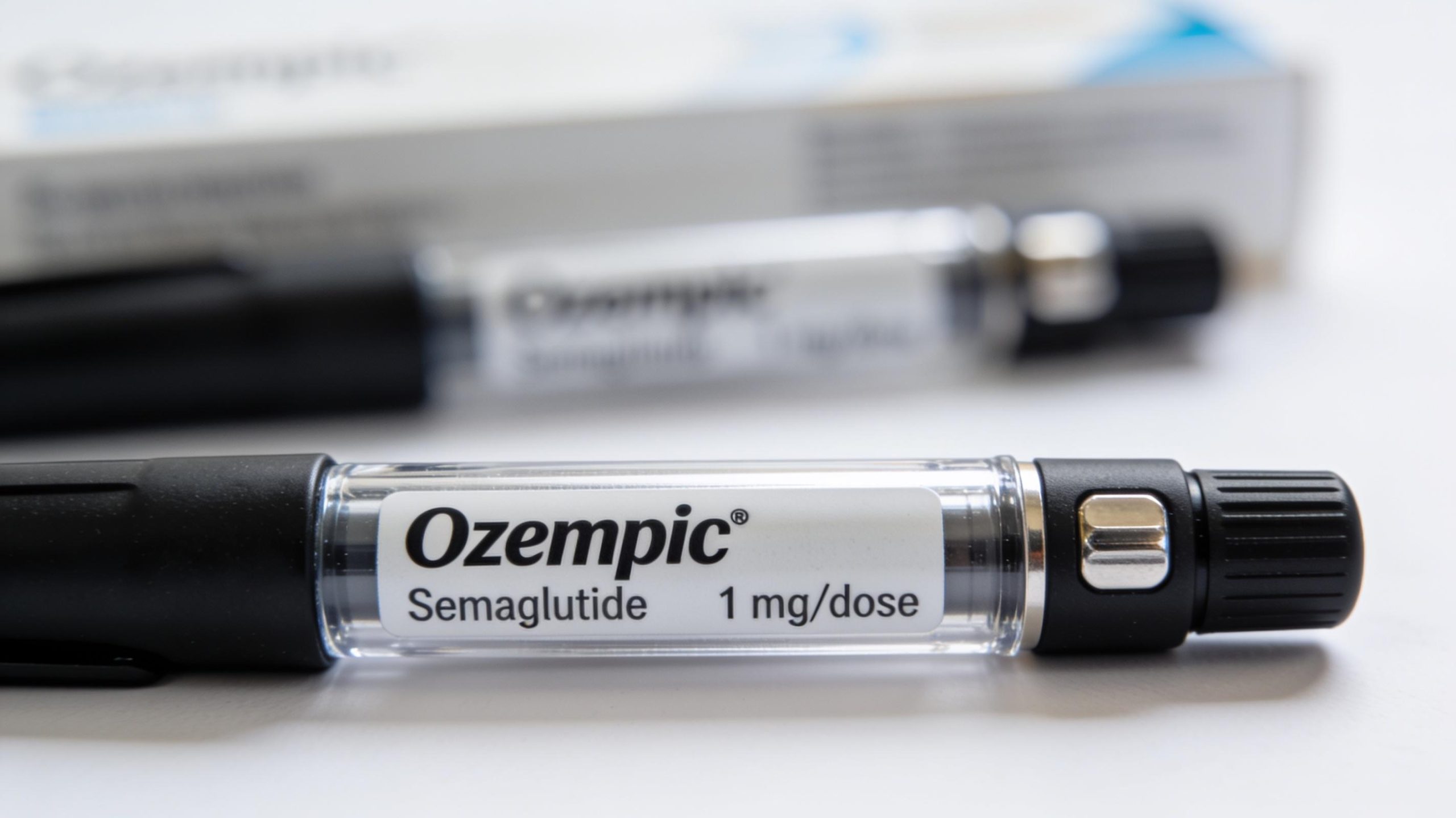
What Ozempic Is and Who It’s For
Ozempic (semaglutide) is a once-weekly prescription medicine in the GLP-1 receptor agonist class. In the United States, it is FDA-approved to improve blood sugar (A1C) in adults with type 2 diabetes and to reduce the risk of major cardiovascular events (heart attack, stroke, or death) in adults with type 2 diabetes and known heart disease. For an official overview, see the manufacturer’s site: Ozempic® (semaglutide) GLP-1 RA for Type 2 Diabetes and the device details at What Is Ozempic® (semaglutide) injection?.
While many people hear about Ozempic because of weight changes, it is not FDA-approved for chronic weight management. A higher-dose semaglutide product, Wegovy, is FDA-approved for weight management in specific adults and adolescents with obesity or overweight plus risk factors. Using Ozempic solely for weight loss is off-label and should be guided by a healthcare professional.
How Ozempic Works and Typical Dosing
Semaglutide mimics the body’s GLP-1 hormone, which helps:
- Increase glucose-dependent insulin secretion
- Decrease excess glucagon
- Slow gastric emptying, which can help with appetite and post-meal glucose spikes
Ozempic is self-injected once weekly, any time of day, with or without food, in the thigh, abdomen, or upper arm. A common titration plan starts at 0.25 mg weekly (for tolerance, not glycemic effect), then typically increases to 0.5 mg, and may move to 1 mg or 2 mg as needed. Only adjust doses under the guidance of a prescriber. Store and handle the pen per the Medication Guide and manufacturer instructions.
Benefits, Side Effects, and Safety Notes
Many adults with type 2 diabetes experience improved A1C, some weight loss, and, when applicable, cardiovascular risk reduction on Ozempic. Still, like all medicines, it has potential side effects and contraindications.
- Common effects: Nausea, vomiting, diarrhea, constipation, decreased appetite, and abdominal discomfort are among the most reported and often lessen over time.
- Serious warnings: GLP-1 RAs, including semaglutide, carry a boxed warning about thyroid C‑cell tumors seen in rodents. Do not use if you or a family member has a history of medullary thyroid carcinoma (MTC) or Multiple Endocrine Neoplasia syndrome type 2 (MEN 2).
- Other risks: Pancreatitis, gallbladder problems, kidney issues (often related to dehydration from GI upset), possible worsening of diabetic retinopathy, and hypoglycemia when combined with insulin or insulin secretagogues.
- Discuss before starting: Prior pancreatitis, gallstones, severe GI disease, kidney concerns, pregnancy or plans to conceive, and all current medications.
Always go over the Medication Guide and talk with your clinician to decide if Ozempic is appropriate for you.
Ozempic vs Wegovy and Other Newer Options
Media headlines often blend Ozempic with Wegovy and other GLP-1 or dual-agonist medicines. Key distinctions matter:
- Indications: Ozempic is FDA‑approved for type 2 diabetes and certain cardiovascular protection in that population. Wegovy (also semaglutide, but different doses and label) is FDA‑approved for chronic weight management in people who meet criteria.
- Dosing: Wegovy generally uses higher target doses than Ozempic for weight management. Off-label Ozempic weight-loss use should be carefully supervised.
- Other agents: Tirzepatide (brands include Mounjaro for diabetes and Zepbound for weight management) is a dual GIP/GLP‑1 agonist with different dosing and label language.
For clear, consumer-friendly comparisons, see:
- Wegovy vs. Ozempic: The truth about these weight-loss drugs
- Mounjaro, Ozempic, Wegovy, Zepbound
- What’s the real difference between Wegovy and Ozempic?
And for official indications and safety, rely on the manufacturer’s pages: Ozempic® (semaglutide) GLP‑1 RA for Type 2 Diabetes and What Is Ozempic® (semaglutide) injection?.
Real-World Costs, Insurance, and Savings
Cash prices for Ozempic can vary widely by pharmacy, location, and time, and they change frequently. Many insured patients use a plan copay instead of cash pricing, and some with commercial insurance may qualify for manufacturer savings cards (eligibility rules apply; check the brand site). If you’re paying cash, call multiple pharmacies in Columbus and ask about current pricing and stock.
Below is a sample snapshot of estimated monthly cash prices for a typical Ozempic pen (often the 0.25 mg/0.5 mg or 1 mg dose pen). These figures are illustrative and not guarantees; always verify locally before you buy.
Note: The above prices are examples of publicly referenced cash-price snapshots for a 28–30 day supply and may exclude taxes or dispensing fees. Your actual price can vary by dose, pen strength, insurance, and pharmacy. Ask about manufacturer savings cards if you have commercial insurance, and compare mail-order versus retail options.
Who Should Consider or Avoid Ozempic
- Consider if: You have type 2 diabetes and need additional A1C lowering, especially if you also have established heart disease and could benefit from the cardiovascular risk reduction shown in clinical studies.
- Be cautious if: You have a history of pancreatitis, gallbladder disease, diabetic retinopathy complications, or significant GI issues. Discuss risks/benefits closely with your clinician.
- Do not use if: You or a family member has MTC, or you have MEN 2, or you are allergic to semaglutide or any ingredient in the formulation.
Practical Tips for Getting Started
- Onboarding: Start low and go slow to help minimize GI side effects. Follow your prescriber’s titration plan.
- Injection routine: Pick a weekly day and set reminders. Rotate sites (abdomen, thigh, upper arm) to reduce irritation.
- Side-effect management: Eat smaller, protein-forward meals; avoid heavy, greasy foods; hydrate well. Call your clinician if severe or persistent symptoms occur.
- Pairs well with: Lifestyle efforts—nutritious eating patterns, regular movement, adequate sleep, and stress management—to support glucose control.
- Follow-up: Check A1C, weight, blood pressure, and lipids as recommended. Ask about retinopathy monitoring if your A1C is improving quickly.
Common Questions
- Can I use Ozempic just for weight loss? Ozempic is not FDA-approved for weight management. Discuss risks, benefits, and alternatives—such as Wegovy, which is approved for this purpose—with your clinician. Balanced guidance is available from UCHealth, WebMD, and WeightWatchers.
- How quickly will I see results? Some people notice appetite and post-meal glucose changes within weeks, but A1C improvement is typically assessed over 3 months or more. Your response will depend on dose, adherence, and lifestyle.
- What if I miss a dose? Check the Medication Guide for exact instructions and contact your prescriber or pharmacist. Keeping a consistent weekly schedule with reminders can help prevent missed doses.
- Can I drink alcohol? Alcohol can affect blood sugar and GI tolerance. Discuss safe limits with your clinician, particularly if you take other diabetes medicines.
The Bottom Line
Ozempic is a well-studied, once-weekly GLP‑1 RA for adults with type 2 diabetes that can lower A1C and, in those with existing heart disease, reduce major cardiovascular risks. It’s not approved for weight loss, though many people experience weight changes. If you’re considering therapy, pair reliable medical guidance with practical cost checks in Columbus, and use trusted sources such as the official Ozempic® site and the device information page What Is Ozempic® injection? to navigate your next steps with confidence.