
Concrete shapes skylines and backyards alike. Discover how pros plan, pour, and finish durable surfaces that last decades. Learn what it takes to build a career and hire the right crew for your next pour.
Why Concrete Work Matters in the U.S.
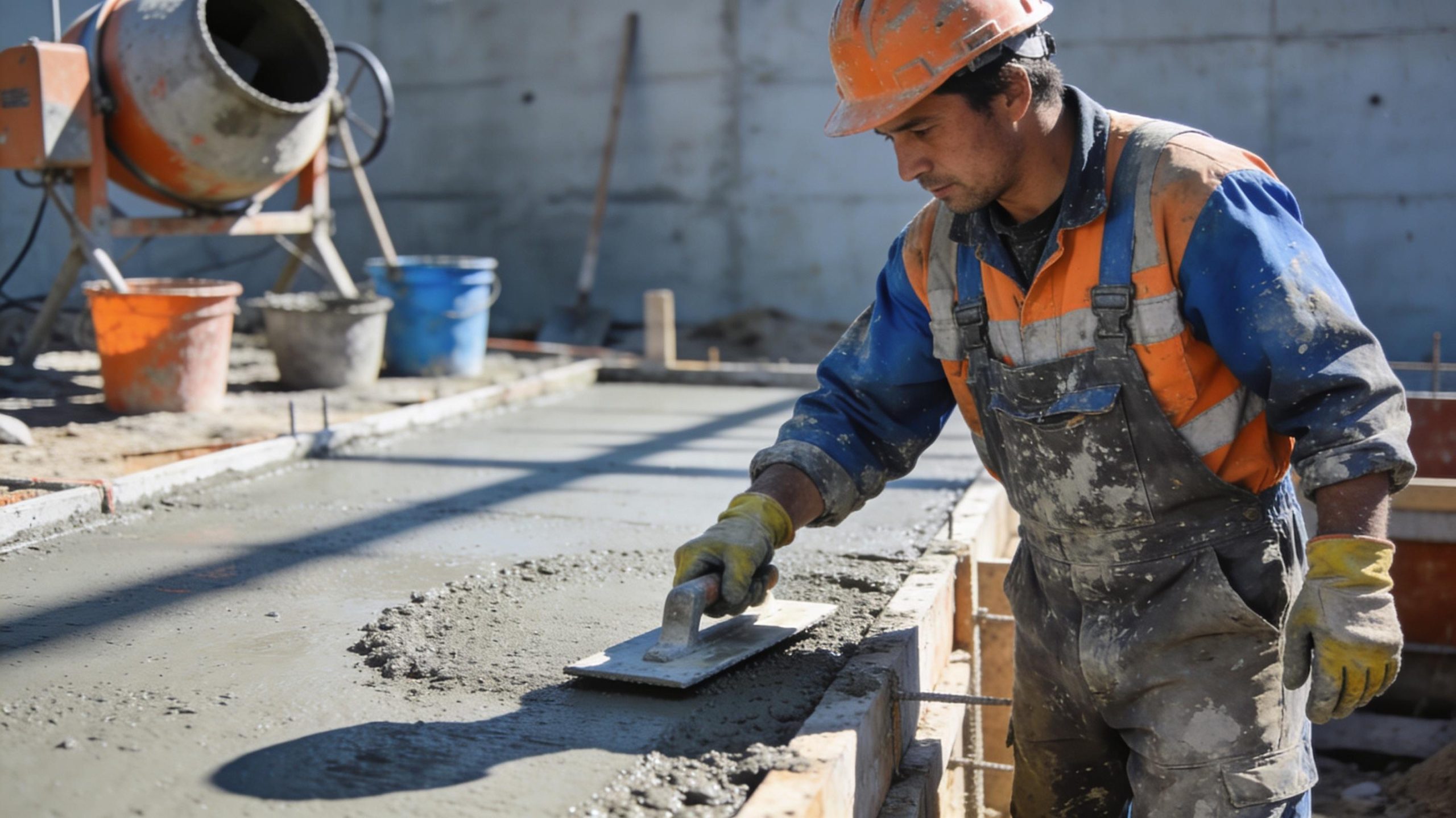
Concrete work underpins American homes, roads, warehouses, and public spaces. From suburban driveways to high‑rise cores, skilled crews transform mixtures of cement, aggregates, and water into structures engineered to handle real‑world loads and weather cycles. Today’s industry is evolving quickly: contractors are adopting advanced admixtures for faster strength gain, fiber reinforcement to control cracking, laser screeds for flatter slabs, and supplementary cementitious materials that reduce the carbon footprint. For homeowners, that means stronger surfaces and more decorative options; for jobseekers, it means a career that blends craft with technology.
Working in the concrete industry
A career in concrete is hands‑on, team‑driven, and increasingly tech‑enabled. Entry roles start with general labor and material handling, but ambitious workers can progress into specialized trades and leadership. Common paths include:
- Formwork Carpenter: Builds and sets forms that shape slabs, walls, stairs, and edges with exact elevations and dimensions.
- Concrete Finisher: Places, screeds, bull‑floats, edges, and trowels surfaces to achieve the desired texture—from broom to hard‑trowel to stamped patterns.
- Rebar Installer: Ties reinforcement per plans to deliver the required flexural and shear capacity.
- Pump Operator/Batch Tech: Manages delivery, slump, and mix consistency, coordinating with the finishing crew to keep placement continuous.
- Quality Control Technician: Performs slump tests, air content, and cylinder breaks; verifies specs and curing methods.
- Estimator/Project Manager: Quantifies takeoffs, sequences pours, coordinates inspections, and controls budgets and safety.
Training typically blends paid on‑the‑job learning with short courses and certifications. OSHA 10/30 safety cards are often required; ACI certifications (e.g., Concrete Field Testing Technician – Grade I) add credibility and pay potential. Many regions offer union apprenticeships that provide structured progression and benefits. The work is physical and schedule‑sensitive: early mornings, weather windows, and tight pour sequences are common. In return, it offers steady demand, tangible results you can point to with pride, and clear paths to foreman, superintendent, or even starting your own crew.
Planning a Residential Project: Driveways, Patios, and Slabs
Successful residential concrete starts with planning and site prep. Expect excavation to stable subgrade, installation of a compacted granular base, attention to drainage slopes (typically 1–2%), and reinforcement (wire mesh, rebar, or fiber) per local code. Control joints are laid out to limit shrinkage cracking, and finishing is matched to use—broom for drive traction, stamped/sealed for decorative patios, or smooth with traction additives around pools.
- Driveways: Thickness is commonly 4 inches for passenger vehicles, with 6 inches at aprons or for heavier loads. Air‑entrained mixes improve freeze‑thaw resistance in cold climates.
- Patios: Decorative options include stains, integral color, borders, and stamped patterns that mimic stone or wood.
- Slabs/Garages: Vapor barriers, insulation, and sawcut timing affect long‑term performance and appearance.
If you’re near Chicago’s western suburbs and focused on curb appeal and longevity, browse driveway and patio options from local specialists at driveways and patios in Bolingbrook. Considering a larger Midwestern pour with a seasoned commercial‑residential crew? Review capabilities at TK Concrete, Inc.. For city projects, explore a proven urban contractor like Premium Concrete, Inc. (Chicago). And if you want to compare multiple local options in the northwest suburbs, scan reviews of top-rated Arlington Heights concrete contractors.
How to Choose and Vet a Contractor
A durable slab or patio starts with a reputable pro. Use a structured vetting process:
- Source a shortlist: Search regional directories like Find a Contractor (CAGC) and compare with local review hubs to gauge consistency.
- Check licensing and insurance: Request certificates and verify coverage limits and workers’ comp to protect your property and crew.
- Assess experience: Ask for recent, similar jobs; confirm mix designs, reinforcement choices, and jointing plans match your climate and use.
- Inspect past work: Visit projects after at least one winter/summer cycle when possible.
- Demand clarity: Get a written scope, timeline, joints and reinforcement detail, curing method, and cleanup commitment before the pour.
- Warranty and care: Understand what’s covered (spalling, scaling, pop‑outs) and receive curing and sealing instructions in writing.
Sample U.S. Concrete Pricing and Services
Below are typical residential price ranges by service. Actual quotes depend on access, tear‑out needs, thickness, reinforcement, mix, decorative complexity, and local labor/material markets.
| Company & Location | Service Description | Typical Price Range |
|---|---|---|
| Bolingbrook Concrete Repair — Bolingbrook, IL | Driveway replacement (per sq ft, 4 in, broom) | $8 – $14 |
| Premium Concrete, Inc. — Chicago, IL | Stamped patio (per sq ft, color + seal) | $14 – $22 |
| TK Concrete, Inc. — Pella, IA (Greater Des Moines) | Standard patio (per sq ft, 4 in, broom) | $9 – $15 |
| Arlington Heights Local Pros — Arlington Heights, IL | Sidewalk (per sq ft, control joints 5 ft o.c.) | $7 – $12 |
| CAGC Member Contractor — Charlotte, NC | Garage slab (per sq ft, 4–5 in, fiber + vapor barrier) | $6 – $10 |
| Phoenix Residential Concrete — Phoenix, AZ | Colored/stamped pool deck (per sq ft) | $12 – $20 |
| Seattle Sidewalk Specialists — Seattle, WA | City sidewalk panel (per panel incl. demo) | $350 – $700 |
| Dallas Driveway Crew — Dallas, TX | Driveway tear‑out + repour (per sq ft) | $8 – $12 |
| Orlando Decorative Concrete — Orlando, FL | Stamped overlay (per sq ft, surface prep incl.) | $6 – $10 |
| Denver Flatwork Team — Denver, CO | Basement slab (per sq ft, 4 in, pump access) | $5.50 – $9 |
Permits, Weather, and Scheduling in Columbus
Local permitting can add lead time—call your building department to confirm whether driveways, sidewalks, or patios need a permit in Columbus. In hot weather, contractors may adjust water reducers and set times, deploy sun shades, and begin pours at dawn to manage evaporation; in cold snaps, they’ll use heated blankets, accelerators, and wind breaks. Plan around inspections and allow a minimum of 24–48 hours before light foot traffic and about 7 days before parking, with full design strength typically at 28 days.
Quality Checklist for Your Next Pour
Use this punch‑list to align expectations with your contractor:
- Base and drainage: Compacted aggregate base and correct slope away from structures.
- Reinforcement: Rebar or mesh chaired at mid‑depth, or fibers specified; documented on the proposal.
- Mix and finish: Air‑entrained mix in freeze‑thaw regions; finish matched to use (broom, stamped, troweled).
- Joints and edges: Control joints spaced 2–3x slab thickness (in feet) and clean, protected edges.
- Curing and sealing: Wet cure or curing compound applied promptly; sealer choice explained and scheduled.
- Cleanup and protection: Barricades for 48 hours, sawcut timing noted, and site left clean.
Where to Start
If you’re ready to compare bids, build a targeted list quickly:
- Regional directory: Search vetted firms at Find a Contractor (CAGC).
- Local reviews: Scan nearby options via top-rated Arlington Heights concrete contractors to gauge responsiveness and quality.
- Specialized services: For suburban Chicago driveways and patios, check driveways and patios in Bolingbrook.
- Established teams: Review portfolio breadth with TK Concrete, Inc. or explore urban expertise at Premium Concrete, Inc. (Chicago).
Whether you’re exploring a career or planning a project, concrete work rewards careful preparation and skilled execution. With a clear scope, the right crew, and smart scheduling, you’ll get a slab, driveway, or patio that performs—and looks great—for decades.