
Discover a safer, spa-like bath you can step into. Learn which features matter most for your comfort and budget. See current pricing and trusted places to buy.
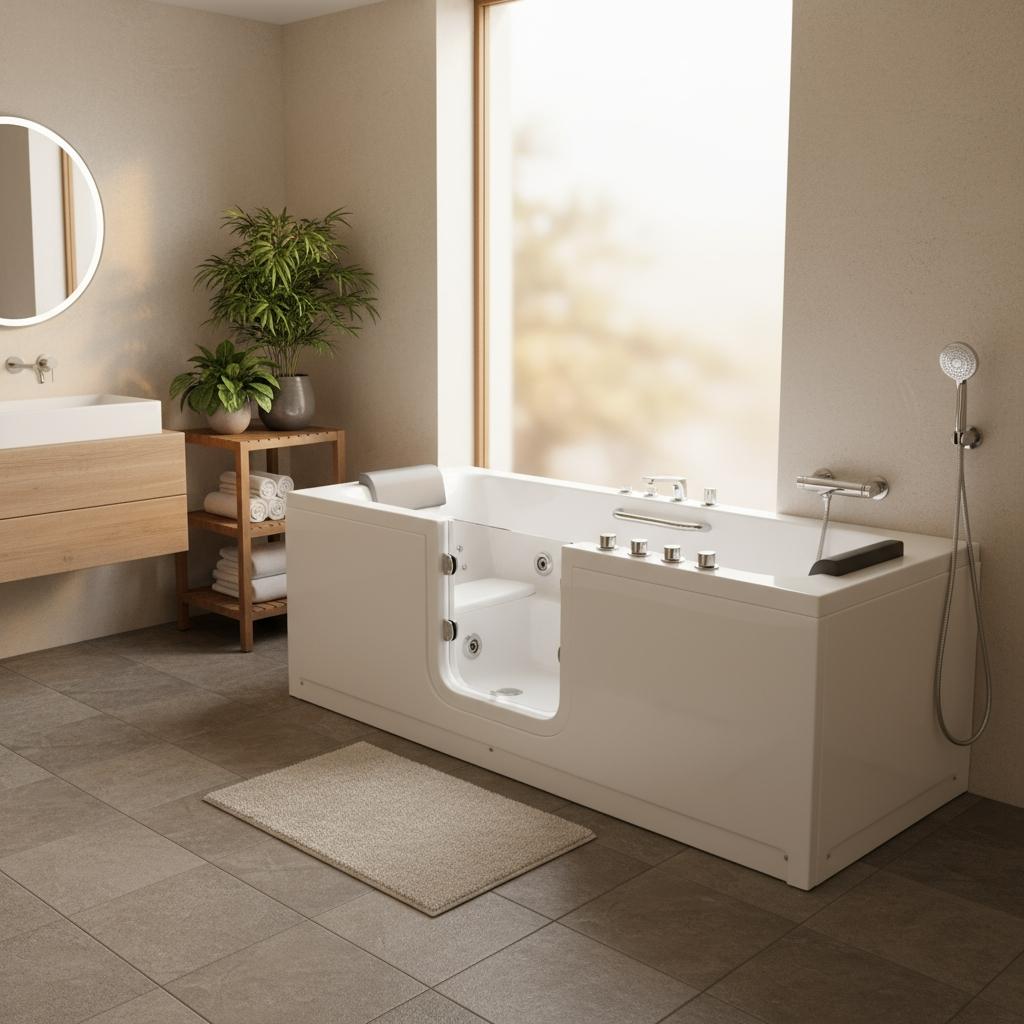
Why a Walk-In Bathtub Is Worth Considering
A walk-in bathtub can transform daily bathing into a safer, more comfortable experience—especially for people managing mobility changes, joint pain, or fall risk. Low thresholds, built-in seating, anti-slip floors, and easy-to-reach controls minimize the hazards of climbing over a high tub wall. Many models also add hydrotherapy jets, warm-water massage, and heated backrests to help relieve stiffness and improve circulation. Whether you’re planning to age in place, support a loved one, or upgrade a primary suite, the right walk-in tub blends safety, independence, and relaxation in one design.
You can browse a wide selection of accessible tubs and shower-tub configurations at retailers and manufacturers that specialize in bathing safety. For example, see accessible walk-in tub options with shower conversions at Freedom Showers, compare manufacturer-direct designs at ANZZI, and explore broad in-stock choices at The Home Depot. For shoppers seeking budget-friendly packages and conversion kits, review options at AmeriGlide. If you’re comparing tub-shower combos specifically, the National Council on Aging offers an overview of leading models here: best walk-in tub shower combinations.
Popular Types and Key Features
Choosing a model begins with understanding your priorities: space, hydrotherapy needs, budget, and installation complexity. Common categories include:
- Soaker tubs: The simplest and most affordable design with a leak-proof door, seat, and handheld sprayer—no jets.
- Air-jetted tubs: Dozens of small air jets provide a bubbly, gentle massage that’s easy on sensitive joints.
- Water-jetted tubs: Fewer, more powerful jets target sore muscles; great for deep-tissue hydrotherapy.
- Dual/combo systems: Combine air and water jets for maximum versatility.
- Tub-shower combos: Pair a walk-in tub with a full-height surround and curtain or door for stand-and-sit flexibility.
Beyond the basic type, look for:
- Low-entry threshold: Often 3–7 inches, reducing tripping risk.
- Fast-fill and quick-drain: Larger valves cut waiting time before and after bathing.
- Inline heater: Helps maintain water temperature during longer soaks.
- Heated backrest and seat: Adds comfort for those with back pain.
- Easy-clean surfaces: Gloss acrylic or gelcoat with antimicrobial properties saves time.
- Door orientation: In-swing doors save space; out-swing doors can ease transfers for larger body types or wheelchair users.
- Safety essentials: Grab bars, ADA-height seat, anti-slip floor, scald protection, and accessible controls.
Real-World Prices and Where You Can Buy
Product-only prices often range from about $2,000 to $7,000 for mainstream models, while premium hydrotherapy systems, custom sizes, and one-day install packages can push total project costs higher. Installation typically adds $1,500 to $5,000 depending on plumbing, electrical, and renovation needs. Below are typical advertised or widely reported price ranges from recognizable brands and retailers. Always request a written quote for your specific bathroom conditions.
| Brand / Retailer | Typical Product Price (USD) | Notes / Location |
|---|---|---|
| The Home Depot (various brands) | $2,500 – $7,000 | Nationwide; in-stock and special order |
| ANZZI | $2,599 – $4,999 | Manufacturer-direct models |
| Freedom Showers | $3,995 – $6,995 | Accessible tubs and shower-tub combos |
| AmeriGlide | $2,299 – $4,999 | Budget-friendly tubs and conversion kits |
| American Standard (select models) | $3,500 – $7,500 | Retail and dealer networks |
| Ella’s Bubbles | $4,000 – $9,000 | Wide range of sizes and jet options |
| Kohler Walk-In Bath (installed) | $8,500 – $17,000 | Custom quote; professional install |
| Safe Step (installed) | $10,000 – $18,000 | Turnkey packages; in-home consultation |
Measuring, Installation, and Home Prep
A smooth installation starts with careful planning. Use this checklist to avoid surprises:
- Space and access: Confirm the tub fits through doorways and halls; measure the bathroom alcove and ceiling height.
- Floor support: Some tubs hold 50–100 gallons plus occupant weight; verify joists and subfloor integrity.
- Plumbing: Fast-fill valves may need 3/4-inch supply lines; quick drains may benefit from larger waste lines.
- Electrical: Air/water jets, heaters, and heated seats often require dedicated GFCI-protected 120V or 240V circuits.
- Water heater capacity: A 40–50 gallon heater is common; consider an upgrade or on-demand unit for larger soaks.
- Ventilation and moisture: Upgrade exhaust fans and seals to protect finishes from humidity.
- Permits: Check local code and permit requirements in Columbus before work begins.
- Lead times: Special-order models and surrounds can add days or weeks to your schedule.
How to Choose the Best Tub for Your Needs
Match features to your daily routine:
- Mobility profile: If transfers are difficult, consider an out-swing door and a wider seat. In-swing doors can work well in tighter rooms.
- Therapy goals: Choose air jets for gentle stimulation, water jets for deep massage, or dual systems for both.
- Caregiver access: Look for easy-reach controls, handheld shower placement, and clear space next to the tub.
- Filling and draining speed: Fast-fill faucets and quick drains reduce time spent seated before and after bathing.
- Budget and warranty: Compare warranties on the door seal, shell, and mechanics; verify service network coverage in your area.
- Try before you buy: If possible, sit in a floor model to assess comfort, seat height, and door operation.
When you’re ready to compare, browse curated selections at Freedom Showers, shop manufacturer-direct at ANZZI, view big-box options at The Home Depot, and find conversion kits at AmeriGlide. For side-by-side insights into shower-tub combo units, consult the NCOA’s overview.
Care, Maintenance, and Hygiene
Walk-in tubs are designed to be low-maintenance, but a regular routine keeps them fresh and reliable:
- Monthly jet clean: Run a cleaning cycle with manufacturer-approved cleaners to prevent biofilm in lines.
- Door seal care: Wipe gaskets after each use and inspect for debris to maintain a watertight seal.
- Surface cleaning: Use non-abrasive cleaners on acrylic or gelcoat to avoid micro-scratches.
- Drain and hardware: Rinse hair traps and check drains for buildup to maintain quick emptying.
- Water quality: If you have hard water, consider a softener to reduce scale on jets and valves.
Financing, Rebates, and Insurance Tips
Most homeowners pay out of pocket, but there are ways to ease the expense:
- Promotional financing: Many retailers offer low- or no-interest plans for qualified buyers.
- Medical tax considerations: If your doctor prescribes the tub for a specific condition, part of the cost may qualify as a medical expense—consult a tax professional.
- VA and community programs: Veterans may be eligible for home modification assistance; local agencies on aging can point to grants or loans.
- Utility incentives: Upgrading a water heater for larger-capacity bathing occasionally qualifies for efficiency rebates—check with your local utility.
Bottom Line
A well-chosen walk-in bathtub delivers daily safety and comfort while future-proofing your home. Start by clarifying must-have features, verifying fit and installation requirements, and comparing total costs. Then review trusted sources—curated accessibility retailers, manufacturer-direct stores, and national home centers—to find the right balance of safety, therapy, and value for your home. With careful planning in Columbus, you can enjoy a rejuvenating, independent bathing experience for years to come.