
Curious how online school can fit your family’s life? Want accredited options, flexible pacing, and real academic results? Explore programs that match your goals and budget.
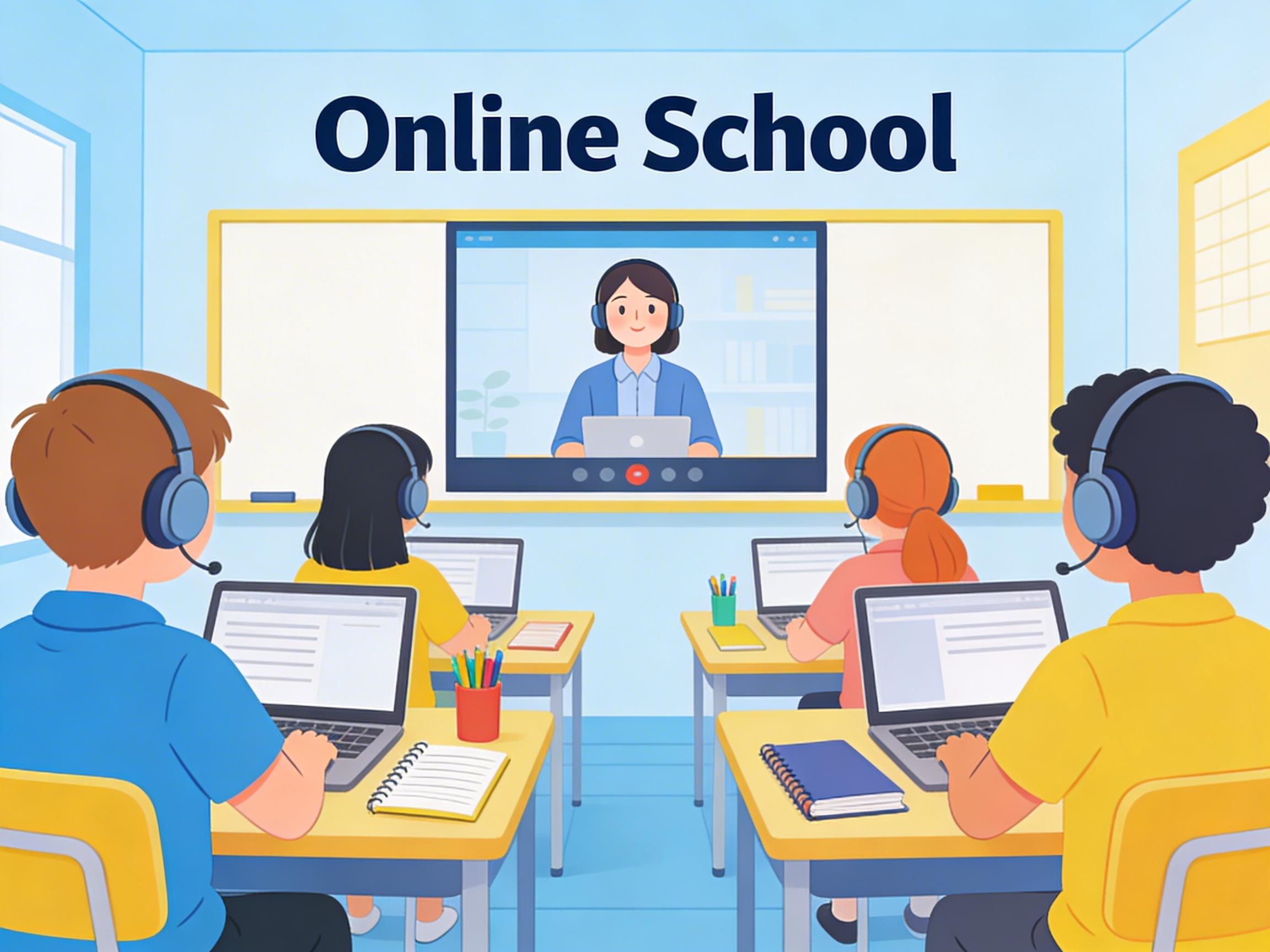
Why More U.S. Families Are Choosing Online School
Online school in the United States has matured into a credible, flexible pathway for K–12 learners. Families appreciate the ability to customize pacing, reduce distractions, and access a broader catalog of courses than many local schools can offer. From tuition-free public virtual schools to fully accredited private academies and homeschool curricula, there’s a solution for nearly every learner profile.
Types of Online School Options
- Tuition-free public online schools: Available in many states and funded by public education dollars. Students must meet residency requirements and follow state testing and attendance rules.
- Accredited private online schools: Tuition-based programs with flexible pacing, broader elective catalogs, and individualized counseling. Accreditation and NCAA eligibility are common differentiators.
- Homeschool curricula and platforms: Month-to-month subscriptions that supply lessons, assessments, and reporting. Parents serve as the official educators of record and handle compliance with state homeschool laws.
- Hybrid and part-time options: Some providers allow single-course enrollments to supplement local schooling or homeschooling.
Trusted Programs to Explore
- Public, tuition-free virtual schools: K12 online school programs operate in many states with certified teachers, state-aligned curricula, and special education services. Placement is typically by residence and space availability, and students participate in required state assessments.
- Public, tuition-free alternative: Connections Academy partners with states and districts to deliver full-time, standards-aligned virtual schooling with teacher-led instruction, clubs, and counseling support.
- Homeschool curriculum platform: Time4Learning online homeschool curriculum offers month-to-month subscriptions with automated grading and parent dashboards. Families stay independent but gain structure and reporting tools.
- Accredited private option: The Keystone School (accredited online private) provides full-time diplomas and individual courses, including credit recovery and Advanced Placement, for flexible or accelerated pathways.
- Accredited, self-paced private school: Acellus Academy combines video-based lessons and adaptive assessments for independent learners seeking recognized accreditation.
U.S. Online School Pricing at a Glance
Pricing varies by provider, state funding, and course load. The snapshot below reflects typical, publicly listed pricing or commonly published terms (verify current rates directly with providers). No links are included in this table.
| Provider | Typical Pricing (US) | Notes / Availability |
|---|---|---|
| K12-powered Public Virtual Schools | Tuition-free | State-funded; residency and state testing required in participating states |
| Connections Academy (Public) | Tuition-free | Available in many states; state-aligned curriculum with certified teachers |
| Time4Learning (Homeschool) | Approx. $24.95–$34.95 per month | Month-to-month; parent is educator of record; PreK–12 courses |
| Acellus Academy (Private) | Approx. $79 per month per student | Accredited, self-paced; full-time or part-time enrollment |
| The Keystone School (Private) | Full-time approx. $1,800–$3,600 per year; single courses $499–$649+ | Accredited; flexible pacing; individual courses and diplomas |
| Power Homeschool (Curriculum) | Approx. $25 per month per student | Curriculum only; not a school; parent-managed homeschooling |
Note: Prices and availability can change. Always confirm the most current rates and requirements with the provider.
How to Compare Programs (So You Pick the Right Fit)
- Accreditation: Look for regional recognition (e.g., Cognia, WASC, MSA). Accreditation supports credit transfer and college admissions.
- Instructional model: Live classes, on-demand lessons, or blended. Match the model to your learner’s motivation and need for structure.
- Student support: Ask about counseling, tutoring, IEP/504 services, English learner support, and college/career guidance.
- Course catalog: Check for AP, honors, world languages, electives (coding, visual arts), and dual credit opportunities.
- Assessment and workload: Request sample pacing guides, graded work expectations, and testing schedules.
- Technology: Confirm device policies, platforms used, and tech support hours; some public virtual schools lend laptops and hotspots.
- Outcomes: Review graduation rates, state report cards, and parent/student satisfaction surveys where available.
- Flexibility: Consider rolling admissions, self-paced modules, and leniency for travel, athletics, or health needs.
Enrollment Timeline and What to Expect
Most public online schools open lotteries or enrollment windows in late spring and early summer, with waitlists forming quickly in popular states. Private academies and homeschool platforms often allow rolling admissions year-round. Plan to provide transcripts or report cards, immunization records (as applicable), proof of residency for public options, and any IEP/504 documentation to ensure appropriate services from day one.
A Day in the Life: Structure That Actually Works
A successful online school routine blends teacher-led touchpoints with independent work and breaks that combat screen fatigue. Many families schedule live sessions and then interleave offline reading, hands-on labs, or PE. Add buffer time for tutoring or parent check-ins and keep a weekly planner to track assignments, project milestones, and assessment dates. Clubs, esports, world language conversation hours, and virtual field trips help students build community.
Special Considerations: IEPs, NCAA, and College Admissions
- Students with IEPs or 504 plans can receive services in many public virtual schools; confirm the model of delivery (virtual therapy, push-in support, or specialized courses) before enrolling.
- College-bound athletes should verify that required core courses are NCAA-approved if they plan to compete in Division I/II athletics; counselors at accredited private programs can help map this path.
- For selective college admissions, ask about AP availability, external testing support (PSAT/SAT/ACT), dual-enrollment partnerships, and counselor recommendation processes.
Getting Started in Columbus
If you live in Columbus, begin by determining whether your state offers tuition-free public online schools that serve your ZIP code. Compare those options with private and homeschool alternatives to see which blend of cost, structure, and flexibility best aligns with your family’s needs. Create a short list, attend virtual info sessions, and request trial lessons or platform demos before you decide.
Quick Links to Reputable Providers
- K12 online school programs for K–12 (state-based, tuition-free public options)
- Connections Academy (public, tuition-free online schools)
- Time4Learning (online homeschool curriculum)
- The Keystone School (accredited private online school)
- Acellus Academy (accredited online school with self-paced courses)
Final Tips for a Smooth Transition
- Set expectations early: Agree on school hours, phone rules, and a daily check-in routine.
- Design a learning space: Quiet, organized, and comfortable, with a visible calendar and to-do board.
- Leverage support: Use teacher office hours, tech help desks, and parent communities.
- Monitor progress: Review dashboards weekly and celebrate mastery to keep motivation high.
- Stay compliant: If homeschooling, follow your state’s notice, recordkeeping, and assessment rules.
Online school can unlock focus, flexibility, and new academic horizons—without sacrificing accreditation or support. With clear goals, vetted providers, and a thoughtful home routine, families across the U.S. are building learning plans that truly fit their lives.