
Concrete can make or break your project. The right contractor delivers flat, durable, code-compliant work that lasts. Learn what to expect, what it should cost, and how to hire with confidence.
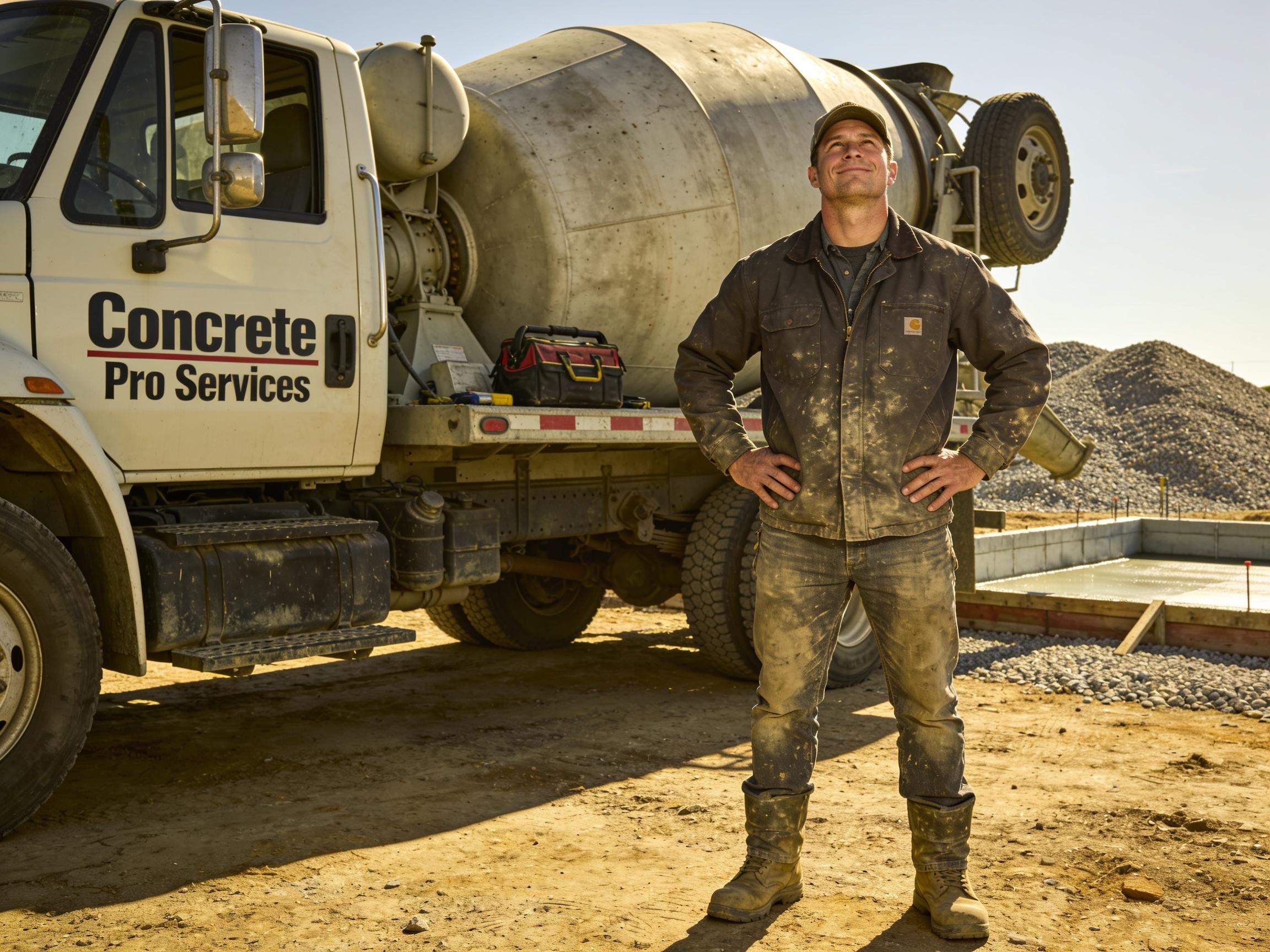
What Concrete Contractors Actually Do
Concrete contractors do far more than pour and finish grey slabs. A professional team handles site prep (grading and compaction), formwork, reinforcement (rebar/mesh/fibers), mix selection and ordering, placement, finishing, curing, jointing, sealing, and closeout. On commercial and public projects, they also coordinate submittals, pre-pour inspections, batch tickets, testing, and safety plans to meet specifications from ACI, ASTM, and local building codes.
Getting these steps right determines performance. For example, a 4-inch residential driveway slab in a freeze-thaw climate might call for 4,000 PSI air-entrained concrete, water-cement ratio near 0.45, and saw-cut control joints spaced 8–10 feet apart. On a warehouse floor, the mix design and laser screed finishing plan target flatness/levelness (FF/FL) numbers. In every case, proper curing—keeping the slab moist and within temperature ranges for 3–7 days—dramatically increases strength and reduces cracking.
Residential, Commercial, and Industrial Expertise
While many firms serve homeowners, large projects demand proven specialty experience:
- Commercial contractors are geared toward schedule certainty, test reports, and long-term service life. See a concise overview of why choosing the right team matters in commercial concrete contractors for long-term performance.
- Industrial and energy-sector placements—think substation pads, turbine foundations, equipment pedestals, and heavy-duty pavement—require deep knowledge of load paths, embedded steel, and constructability. For perspective on budget control and constructability, review affordable industrial concrete contractors for energy projects.
Whether you’re building a backyard patio or an energy facility, align the contractor’s portfolio with your scope. Ask to see similar, recent, and local jobs.
Pricing Benchmarks in the U.S.
Concrete pricing in the U.S. varies by region, access, thickness, reinforcement, finishes, and market conditions. The ranges below reflect commonly reported national averages as of 2024 for typical scopes; your final cost will depend on plans, soils, site logistics, and code requirements.
| Service | Typical Price (USD) | Notes / Region Examples |
|---|---|---|
| 4" residential driveway (per sq ft) | $5 – $10 | Common in Midwest and South; add for tear-out/access |
| 6" reinforced driveway (per sq ft) | $8 – $14 | Snowbelt heavy vehicles; #4 rebar and air entrainment |
| Stamped/decorative patio (per sq ft) | $12 – $18 | Sunbelt markets; color hardener and sealer add cost |
| Garage slab 4"–5" (per sq ft) | $6 – $12 | Includes vapor barrier, wire mesh or fibers |
| Sidewalk/paths (per sq ft) | $6 – $12 | City specs may require ADA transitions |
| Concrete steps (per step) | $300 – $600 | Forming complexity and rail posts influence cost |
| Footings & stem walls (per linear ft) | $20 – $40 | Soil, depth, and rebar schedule drive price |
| Slab moisture barrier (add per sq ft) | $0.25 – $0.60 | 10–15 mil poly common under interior slabs |
| Rebar install (add per sq ft) | $1.50 – $3.50 | #3–#4 bars; spacing and laps affect cost |
| Concrete pump (flat fee) | $800 – $1,500 | Access constraints, boom length, hours on site |
Expect higher totals in high-cost metros and in complex scopes (e.g., heavy rebar, embed plates, epoxy dowels, or precision floors). Always ask for a detailed, line-item proposal so you can compare apples to apples.
Specifications That Drive Durability
Durability starts on paper and finishes in the field. Key items to discuss with your contractor:
- Mix design: PSI rating (3,500–5,000+), water-cement ratio (≈0.45–0.50 for exterior slabs), and admixtures (air entrainment 5–7% for freeze-thaw areas) matter.
- Reinforcement: #4 rebar at 18" on center or 6x6 WWM are common baselines; fibers reduce shrinkage cracking but do not replace structural steel.
- Slump/placement: Keep slump within spec to avoid weak, watery mixes; consider a pump for reach/access to maintain consistency.
- Control joints: Depth should be at least 1/4 of slab thickness; spacing roughly 24–30 times the slab thickness (in inches).
- Finishing and curing: Overworking the surface traps water and leads to scaling; use curing compound or wet cure for 3–7 days.
- Sealers and maintenance: Penetrating sealers help with de-icing salts; reapply per manufacturer guidance.
A dependable contractor will discuss these elements and provide submittals for review on larger jobs.
Technology and Project Controls
Modern project delivery relies on coordination and documentation. On commercial sites, contractors increasingly use digital field tools to plan pours, track deliveries, and capture as-builts. Explore how digital workflows streamline scheduling, QA/QC, and communication in how concrete contractors can leverage software.
Even on small residential jobs, daily logs prevent confusion. Crews can use a simple job book to record weather, batch ticket numbers, photos, and inspections; a straightforward option is a professional job site tracker for concrete contractors & crews. Better documentation equals fewer disputes.
Finding and Vetting Local Pros in Columbus
Choosing locally experienced contractors reduces risk. Use these steps to shortlist and select the right team:
- License, insurance, and bond: Verify state license status, general liability, and workers’ comp certificates.
- Relevant portfolio: Ask for three projects like yours completed within the last 18–24 months in your area.
- References and reviews: Contact references and scan recent photos, updates, and even a contractor’s crew announcement on Facebook to gauge activity and professionalism.
- Written scope and schedule: Demand a plan for demo, base prep, rebar layout, pour sequence, finish, joints, and cure time.
- Testing and standards: For larger projects, confirm compliance with ACI/ASTM standards, slab flatness requirements, and a testing plan.
Make sure the crew size and equipment match your timeline. A great estimator without the right field resources still leads to delays.
Bidding, Contracts, and Scheduling
Clear contracts prevent surprises. Request a fixed-price, itemized proposal that includes: square footage or linear footage quantities; thickness; PSI and air content; reinforcement schedule; base prep; haul-off; control and isolation joints; sealing; cure method; pump fees; protection; cleanup; and warranty. Note days for curing before vehicle traffic or flooring installation.
To keep your project on track:
- Pre-pour meeting: Walk the layout, slopes, drains, and joint plan with the foreman.
- Batch tickets: Save tickets to verify mix design and delivery times.
- Weather plan: Target favorable temperatures and have blankets/shade/water ready for heat or cold.
- Change orders: Price changes in writing before work continues.
Commercial and Energy-Sector Considerations
On commercial campuses and industrial/energy sites, constructability and life-cycle performance top the list. Value comes from minimizing joints where appropriate, achieving FF/FL tolerances, and protecting concrete from chemicals and traffic. Lessons from seasoned builders can pay off: review long-term performance guidance from a commercial perspective at this commercial concrete resource, and see how experienced teams tackle budget-sensitive energy infrastructure in this industrial energy project example.
Red Flags and Pro Tips
- Unusually low bids: Often signal thin slabs, weak mixes, or inadequate base prep—costly mistakes later.
- No joints or cure plan: If it’s not in writing, it’s not happening; demand details.
- Cash-only and no references: Walk away if you can’t verify prior work and insurance.
- Seal the schedule: Tie deposits to milestones and protect curing time from trades or traffic.
- Think drainage and slopes: Direct water away from structures; 1–2% slope is typical for exterior slabs.
The Bottom Line
The best concrete contractors combine field-proven craftsmanship with strong planning and documentation. Align your project with a firm that does your type of work every week, validates their plan in writing, and controls quality from subgrade to sealer. With realistic U.S. pricing benchmarks, clear specs, and the right partner, your slab, driveway, patio, floor, or foundation will perform for decades.