
Scalp psoriasis is a common but often misunderstood skin condition that affects many people across the United States. Characterized by patches of red, itchy, and scaly skin, it can be a source of discomfort and embarrassment. Exploring its symptoms, treatments, and remedies can help individuals manage this condition more effectively and regain confidence in their appearance.
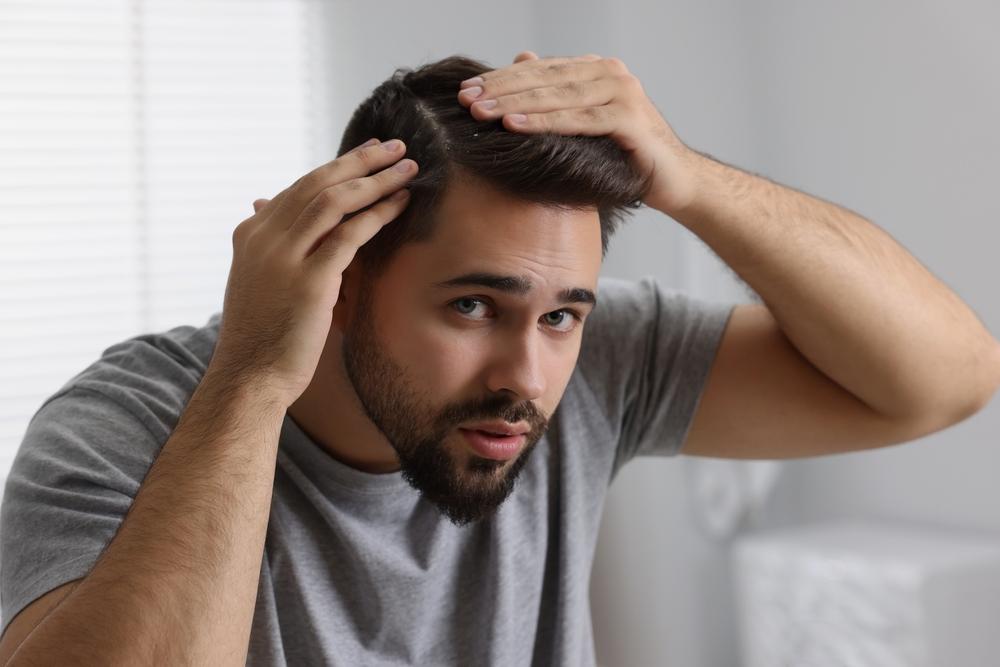
Scalp Psoriasis Symptoms
Scalp psoriasis typically presents with a variety of symptoms, which can range from mild to severe. Understanding these symptoms can help in early diagnosis and treatment, preventing the condition from escalating. Common symptoms include:
- Red Patches: These are often covered with silvery scales and may extend beyond the hairline onto the forehead, neck, or around the ears.
- Itchiness: This is one of the most bothersome symptoms and can interfere with daily activities or sleep.
- Flaking: Flakes resembling dandruff can be seen on clothing and hair, often leading to self-consciousness.
- Dryness: The scalp might feel dry, which can exacerbate itchiness and scaling.
- Cracking and Bleeding: In severe cases, the dry and inflamed skin can crack and even bleed.
For further information on symptoms, visit Psoriasis.org.
Scalp Psoriasis Treatment
Managing scalp psoriasis often requires a comprehensive approach tailored to the individual. Treatments aim to reduce symptoms, prevent flare-ups, and improve quality of life. Common treatment options include:
- Topical Treatments: These include medicated shampoos, creams, and ointments containing ingredients like coal tar, salicylic acid, or corticosteroids that help reduce inflammation and scaling.
- Systemic Medications: In severe cases, oral or injectable medications may be prescribed to address the condition from within. Options such as biologics help modulate the immune system.
- Phototherapy: Ultraviolet light treatments can be beneficial in reducing symptoms for some individuals.
For a comprehensive understanding of treatment, refer to Cleveland Clinic.
Scalp Psoriasis Remedies
In addition to medical treatments, several home remedies and lifestyle changes can help manage scalp psoriasis. Here are some effective remedies:
- Moisturizing: Regularly applying a moisturizer can help prevent dryness and reduce itching.
- Aloe Vera: The soothing properties of aloe vera can help calm the skin and reduce redness.
- Dietary Changes: Some people find relief by avoiding certain foods such as gluten or dairy, although this varies from person to person.
- Stress Management: Stress is a known trigger for psoriasis flare-ups. Practices like yoga or meditation can be beneficial.
Explore more about managing this condition at Harvard Health.
Treatment Options and Pricing
When it comes to treatment, the cost can vary widely depending on the severity of the condition and the treatments chosen. Here is an overview of potential costs:
| Treatment Option | Description | Approximate Price Range |
|---|---|---|
| Medicated Shampoos | Coal tar or salicylic acid-based shampoos | $10 - $40 |
| Topical Steroids | Prescription creams or ointments | $25 - $200 |
| Biologic Drugs | Injectable treatments for severe cases | $20,000 - $40,000 annually |
| Phototherapy | Ultraviolet light treatments | $100 - $500 per session |
| Aloe Vera Gel | Natural topical application | $5 - $15 |
For a detailed guide on treatments and their effectiveness, check the resource from Mount Sinai.
Understanding scalp psoriasis is the first step toward effective management. With the right combination of medical treatment, home remedies, and lifestyle changes, individuals can significantly reduce their symptoms and improve their quality of life. For a holistic understanding of causes, symptoms, and treatments, you may visit WebMD.