
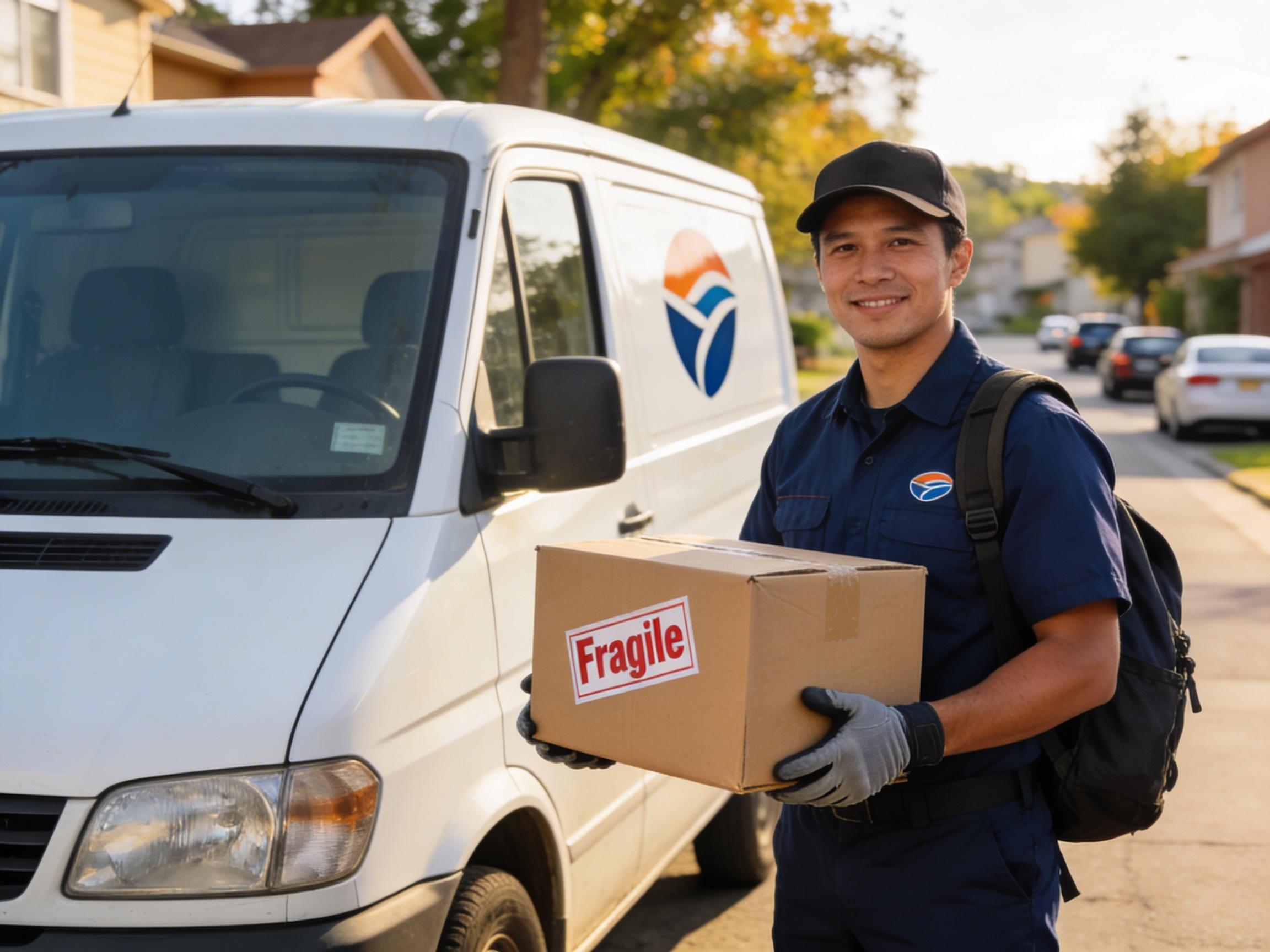
As e-commerce booms across the United States, delivery drivers have become the unsung heroes of our day-to-day lives. Whether it's a package from Amazon, groceries from Uber Eats, or vital documents from FedEx, delivery drivers ensure that our needs are met right at our doorsteps. Their role is evolving, and with new technology and platforms, opportunities in this field are burgeoning.
The Rise of Gig Economy Delivery
In recent years, the gig economy has taken the delivery industry by storm. This new model provides flexibility and diverse opportunities for those looking to work as delivery drivers. Platforms like Uber Eats and Amazon Flex allow drivers to schedule their hours and control their workload, appealing to those who desire more autonomy in their work-life balance.
For instance, Uber Eats allows drivers to earn money on their own schedule. This system offers tremendous flexibility, enabling individuals to engage in this work alongside other commitments. Similarly, Amazon Flex provides drivers an opportunity to deliver packages part-time or full-time without a fixed schedule. These models underscore a shift in how delivery jobs are structured today.
Traditional Delivery Companies
While gig economy platforms are gaining momentum, traditional delivery service companies continue to play a significant role. Companies such as UPS and FedEx provide more conventional employment opportunities with benefits and stability. According to UPS, package delivery drivers can enjoy competitive wages, healthcare benefits, and a regular work schedule. These jobs can also lead to career growth within the company.
FedEx, through its career driver program, offers similar opportunities. Employees can expect structured work hours, job security, and advancement opportunities within the organization. These traditional models continue to attract individuals seeking long-term employment and benefits.
Diverse Vehicle Options for Delivery Drivers
As the number of delivery jobs increases, so do the types of vehicles used for deliveries. While delivery vans and trucks have been a staple for companies like UPS and FedEx, the gig economy has expanded the range of vehicles. For instance, Uber Eats relies on cars, bikes, and scooters depending on the city, providing options based on individual convenience and environmental impact.
Such flexibility allows candidates to consider eco-friendly alternatives, which can also be more economical in urban settings. The diversity in vehicle types highlights the adaptability of the delivery sector to meet varying demand and geographic needs.
Salary Comparison
Delivery driver salaries can vary widely depending on employment type and company, as demonstrated in the table below:
| Company | Type of Employment | Average Hourly Wage |
|---|---|---|
| UPS | Full-time | $20.50 |
| FedEx | Part-time | $18.50 |
| Amazon Flex | Independent Contractor | $18-25 (Varies by location) |
| Uber Eats | Independent Contractor | $15-20 (Includes tips) |
| Spark Driver (Walmart) | Independent Contractor | $15-20 (Includes tips) |
In the end, delivery drivers can find competitive wages across different platforms and employment types.
The Future of Delivery Driving
The demand for delivery drivers shows no signs of slowing. With e-commerce giants like Amazon and autonomous vehicle developments on the horizon, the role of the delivery driver is poised for evolution. Prospects may include managing robots or operating within centralized delivery hubs.
Delivery drivers have become integral to modern commerce, and the pathways to enter this field are broader than ever. Whether through the gig economy or traditional employment, aspiring drivers have numerous options to explore. The introduction of technology and continuous development in this sector promises an exciting future for delivery drivers.
For those interested in becoming a delivery driver, exploring options such as the Spark Driver™ app or applying directly through established companies can be a good starting point. The choice ultimately lies in the kind of work environment and stability an individual seeks.