
City-friendly size, instant torque, and lower running costs make mini electric cars irresistible. Discover which models fit your lifestyle, commute, and budget. See how real-world prices, charging, and use cases compare to help you shop smart.
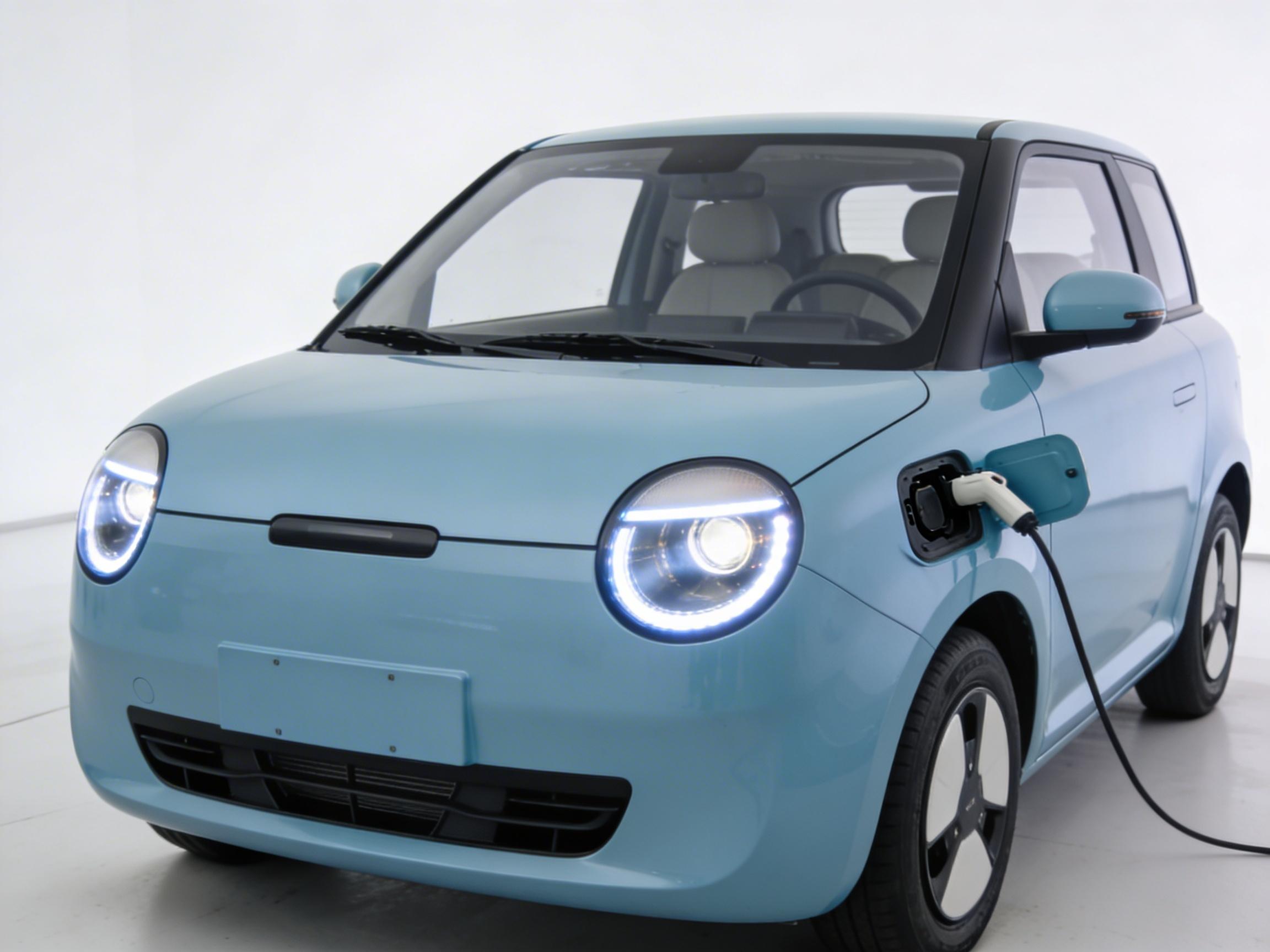
What counts as a mini electric car?
Mini electric cars blend compact footprints with efficient batteries, making them perfect for dense cities, tight parking, and short-to-mid daily drives. In the US, two main categories matter:
- Highway-legal city EVs: Small electric hatchbacks designed for regular roads and interstates, offering modern safety features and DC fast-charging.
- Neighborhood Electric Vehicles (NEVs): Street-legal in many communities with speed limits up to 25–35 mph (varies by state), ideal for campuses, resorts, gated neighborhoods, and short hops.
The best-known highway-legal option in this space is the MINI Cooper SE, while NEVs include ultra-compact two-seaters like the GEM e2.
Spotlight on MINI Cooper SE and the MINI electric range
The MINI Cooper SE Hardtop 2 Door packs signature MINI go-kart handling with the instant response of an electric motor, creating a fun, city-optimized EV. Shoppers can review official specs, charging details, and potential savings at the brand’s US site: MINI Electric | Models, Range, Charging, Savings & Benefits. The Cooper SE’s compact battery makes daily charging inexpensive, helps keep curb weight down for sharp handling, and supports quick top-ups with DC fast charging for weekend detours. If you prefer to browse actual inventory and dealer offers, a well-regarded Southern California retailer maintains an updated page here: MINI Electric Vehicles.
Why drivers love the MINI Cooper SE:
- Compact agility: Easy to park and thread through traffic, yet stable and confidence-inspiring.
- Premium personality: High-quality cabin, playful design, and a customizable feel.
- Predictable charging: A smaller pack refills quickly at home on Level 2, and DC fast charging helps on longer days.
For those comparing across the broader small-EV landscape, editorial roundups can provide extra context on what makes a great compact EV. See: Best small electric cars 2026: our favourite compact EVs.
Ultra-compact two-seaters and NEVs: GEM e2
If your daily pattern rarely exceeds neighborhood streets, an NEV can be the most efficient, lowest-cost way to go electric. The Two-Seater Electric Car | Compact GEM e2 offers two seats, a tiny footprint, and versatile configurations that thrive in low-speed areas like university campuses, beachfront communities, and corporate parks. Unlike highway EVs, NEVs typically top out at 25 mph and must follow state and local roadway rules. The tradeoff is dramatic simplicity, low energy use, and easy charging from a standard outlet or Level 1/Level 2 equipment.
Real-world pricing snapshots in the US
Below are example advertised or starting prices commonly seen in the US market for mini and ultra-compact EVs. Always confirm current pricing, destination charges, tax incentives, and dealer fees with sellers. (No links are included inside the table; see references elsewhere in this article.)
| Model | Example Price (USD) | Notes / Location |
|---|---|---|
| 2024 MINI Cooper SE Hardtop 2 Door | Starting MSRP ≈ $30,900 | Nationwide availability at MINI dealers |
| 2024 MINI Cooper SE (well-equipped) | Typical advertised ≈ $33,000–$37,000 | Varies by options and dealer offers |
| 2023 MINI Cooper SE (Certified Pre-Owned) | ≈ $24,000–$28,000 | Typical asking range at US MINI retailers |
| 2024/2025 Fiat 500e | Starting MSRP ≈ $32,500 | Select US markets; compact city EV |
| 2024 Nissan Leaf S (40 kWh) | Starting MSRP ≈ $28,140 | Entry-level compact EV, widely available |
| GEM e2 (NEV) | ≈ $13,000–$15,000 configured | Two-seater NEV; state/local speed rules apply |
For MINI brand specifics and current US programs, see MINI Electric | Models, Range, Charging, Savings & Benefits and check real inventory at MINI Electric Vehicles. For a broader look at compact EV contenders, browse Best small electric cars 2026: our favourite compact EVs. If you’re deal-hunting and want to scan current small-EV listings and market trends, explore Mini Electric Cars for Sale 2025: Best Small EVs & Deals.
Charging and ownership planning
Most mini EV owners install a Level 2 home charger (240V), which typically refills a compact battery overnight. Because mini EVs have smaller packs than long-range SUVs, electricity costs per full charge are modest—often just a few dollars depending on your utility rate. On the road, look for DC fast chargers to add meaningful range during a coffee stop. MINI provides clear guidance on charging hardware, connectors, and charge times; review the brand’s overview here: MINI Electric | Models, Range, Charging, Savings & Benefits.
Ownership tips:
- Daily distance: Match battery size to your commute and errands; smaller packs are cheaper and faster to recharge.
- Parking realities: Tight city streets and garages favor the shortest wheelbases and smallest turning circles.
- Climate: Cold weather affects range; preconditioning and heated seats help preserve efficiency.
- Public charging network: If you rely on public charging, check station density near work and frequent destinations.
- Incentives: Leases, state rebates, and utility credits can lower total cost of ownership even if a federal tax credit isn’t available.
Deals, incentives, and where to shop
Small EVs benefit from competitive lease programs and seasonal promotions. Many shoppers capture meaningful savings through dealer discounts, loyalty or conquest offers, utility rebates, and manufacturer lease incentives. To compare advertised specials and inventory for the MINI Cooper SE, start with a brand-aligned retailer such as MINI Electric Vehicles. For a pulse on broader market pricing and mini EV deal roundups, check Mini Electric Cars for Sale 2025: Best Small EVs & Deals.
If your driving is primarily inside gated communities, resort areas, or college towns with low-speed roads, investigate NEVs like the Compact GEM e2. Their acquisition cost and operating simplicity can undercut many full-size EVs, though they aren’t designed for highways.
Who should choose what?
- The enthusiast commuter: If you value playful handling and premium touches, the MINI Cooper SE’s blend of style and agility is hard to beat for daily urban and suburban routes.
- The campus or resort user: For short-distance mobility where speed limits are low, the GEM e2 offers low operating costs and ultra-compact convenience.
- The budget-conscious city dweller: Consider used or certified MINI Cooper SE inventory to keep payments down while still enjoying EV perks.
- The space-saver household: As a second car for errands and school runs, mini EVs reduce fuel spend and free up garage space.
- The deal hunter: Track price drops and incentives across multiple small EVs to uncover the strongest total value in your region.
Mini electric cars deliver maximum maneuverability with minimum hassle and cost. Whether you favor the stylish, highway-ready MINI Cooper SE or the hyper-efficient GEM e2 for neighborhood duty, today’s compact EVs make electrification easy to live with. Compare pricing, test drive a few options, and choose the size and range that perfectly fit your routine.