
Thinking about a new deck? Smart planning starts with real numbers. See what drives price, where you can save, and how to get quotes that stick.
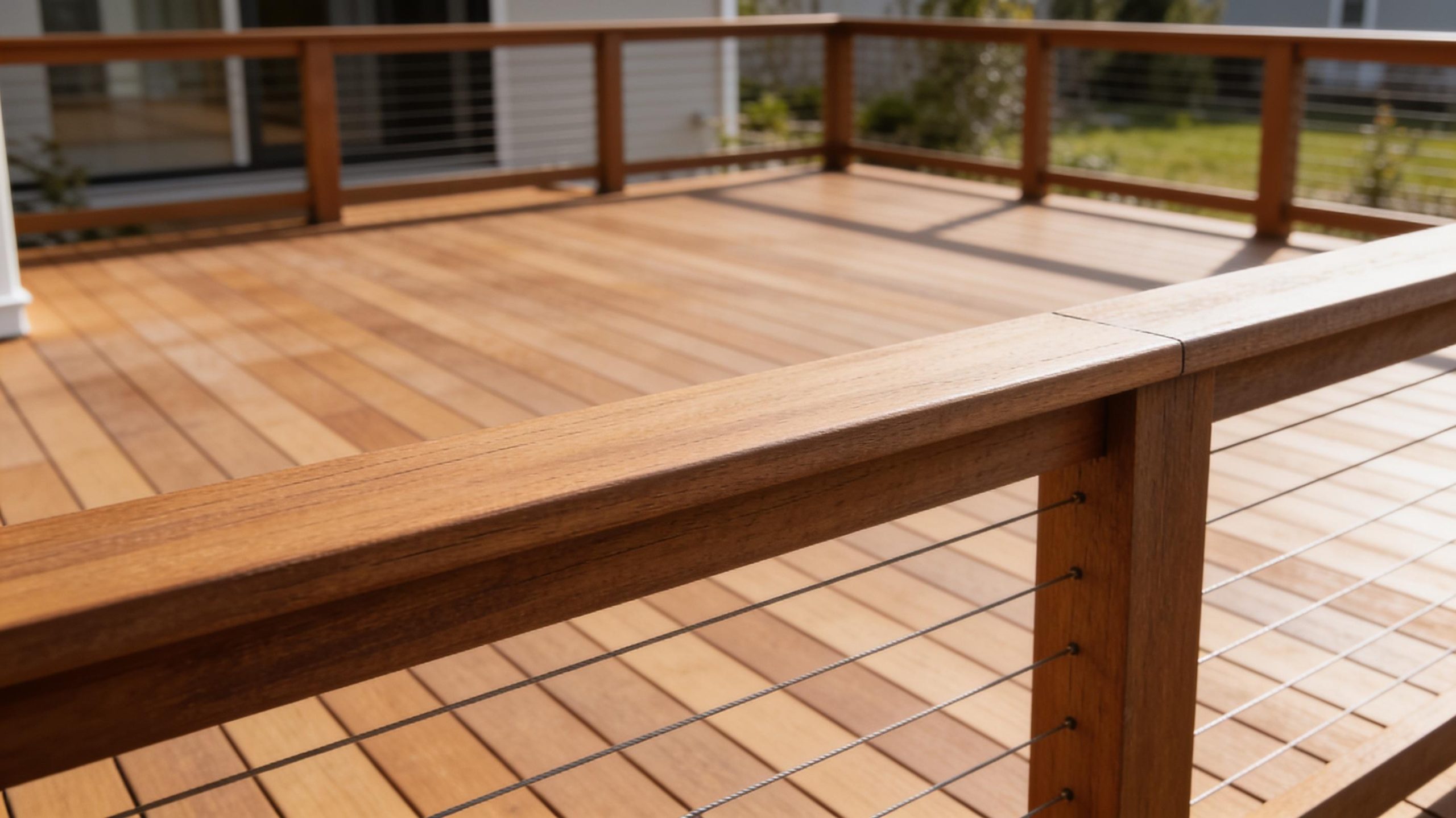
New Deck Prices: Quick Benchmarks
New deck prices in the US vary widely based on material, size, elevation, and local labor rates. For a basic ground-level build using pressure-treated pine, most homeowners spend in the mid-to-high four figures; for composite or PVC, expect a five-figure total on common sizes. A practical way to lock in a realistic range is to plug your layout and material into a reputable estimator like the Decking Calculator by The Home Depot and then refine with local contractor quotes.
Below are national installed price ranges that reflect typical materials and pro labor. These are ballpark figures intended for early budgeting; actual bids will depend on site conditions, railing and stair choices, footing requirements, and regional costs.
| Material (Installed) | Typical Cost per sq ft | 12×16 (192 sq ft) Estimated Total |
|---|---|---|
| Pressure-Treated Pine | $15 – $35 | $2,880 – $6,720 |
| Cedar | $25 – $45 | $4,800 – $8,640 |
| Redwood | $30 – $50 | $5,760 – $9,600 |
| Composite (Mid‑Tier) | $30 – $60 | $5,760 – $11,520 |
| PVC (Premium) | $45 – $70 | $8,640 – $13,440 |
| Aluminum | $40 – $70 | $7,680 – $13,440 |
| Hardwood (Ipe, Cumaru) | $50 – $90 | $9,600 – $17,280 |
Note: Railing, stairs, lighting, and demolition of an existing structure can add substantially to totals. Regional code requirements (like frost-depth footings) and engineered framing can also move bids upward.
How Size, Shape, and Features Change Your Price
- Material grade and brand: Entry pressure-treated boards are the budget pick; composites and PVC cost more upfront but offer lower lifetime maintenance. Within composites, capped and premium lines carry higher prices yet resist fading and staining better over time.
- Deck height and foundation: Ground-level decks often use fewer and shorter footings. Raised decks, hillside piers, or second-story builds require more structure and safety features, driving costs higher.
- Framing specs: Joist size and spacing, beam spans, and hardware (hangers, tension ties) depend on span tables, loads, and local code. Heavier boards and snow/wind loads can require denser framing.
- Railings and stairs: Railings can run $50–$140 per linear foot installed depending on material and style. A straight, single flight of stairs is cheaper than switchback or wide-tiered designs.
- Shape and layout: Rectangles build fast; curves, picture-frame borders, inlays, and multi-level platforms increase material waste and labor hours.
- Site conditions: Limited access, rock, tree removal, or utility relocations add time and equipment costs. Tear-out and disposal of an old deck are additional line items.
- Region and labor market: Coastal metros and regions with higher prevailing wages tend to price at the top of the ranges; rural markets may be lower.
Real-World Scenarios to Set Expectations
- A straightforward 12×16 ground-level deck in pressure-treated pine with a simple railing commonly falls between roughly $6,500 and $9,500 once you include footings, rail, a basic stair, and permits in many US areas.
- The same footprint in a mid-tier composite with matching composite rail can land between about $12,000 and $18,000 depending on brand, joist upgrades, and regional labor.
- Upsizing to 14×20 (280 sq ft) scales costs; for composites at $40–$60 per sq ft installed, you might see $11,200–$16,800 before railings and stairs, and $15,000–$24,000+ with them.
To sanity-check those numbers with your own layout and lumber choice, try running a design through the Home Depot calculator and then add rail/stair allowances.
Permits, Codes, and Inspections: Don’t Skip Them
Most US jurisdictions require permits for new decks, especially those attached to a dwelling or elevated above grade. Rules cover footing size and depth, ledger attachment to the house, guardrail height and spacing, stair geometry, and load capacity. For a sense of what inspectors look for in a major city, review the guidance from New York City’s Department of Buildings here: New Deck & Porch Installation requirements. Your city or county website will publish similar standards; be sure your bids state who pulls the permit and schedules inspections.
DIY vs. Hiring a Pro
If you’re comfortable reading span tables, setting frost-depth footings, and managing inspections, a DIY ground-level build can save significant labor. That said, structural details—especially ledgers, guard posts, and stair stringers—carry real safety stakes. Many homeowners choose to hire licensed contractors for framing and foundations while tackling surface work like decking, fascia, and lighting as sweat equity. To see what a well-organized pro service looks like, browse an established installer such as a reputable Maryland deck contractor and compare their process, warranties, and material lines to your local options.
Ways to Lower Your Total Without Regret
- Choose a clean rectangle now: Keep the footprint simple and save curves or bump-outs for a future phase.
- Mix materials strategically: Pair mid-tier composite decking with a simpler powder-coated aluminum rail for great looks at a better price per linear foot than composite rail.
- Right-size the structure: Avoid overbuilding beyond code unless your loads require it; ask contractors to price alternatives that meet your local span tables.
- Standardize board lengths: Design to use common lengths (12', 16') to reduce waste and cut time.
- Stage features: Add lighting, privacy screens, or pergolas later; prewire or block now so upgrades are easy.
How to Get Firm, Comparable Quotes
- Provide a clear sketch: Include dimensions, elevation, stair location, and railing runs. The more precise you are, the tighter the bid.
- Specify brands and lines: “Composite” covers a big spectrum. Name the product family, color, and hidden-fastener preference.
- Ask about inclusions: Confirm footings, ledger flashing, hardware types, rail height, stair count, permit fees, and disposal are in writing.
- Verify licensing and inspections: Ensure the bid includes pulling the permit and passing all inspections per your local building department.
- Compare schedules and warranties: Start date, duration, workmanship warranty, and manufacturer coverage matter as much as price.
Plan the Fun Part
A new deck is about everyday living—coffee at sunrise, family dinners, and weekend music. If you’re in Philadelphia and want a taste of lively patio vibes while you plan, you might enjoy the scene at New Deck Tavern and browse their Live Music & Events. Of course, that “New Deck” is a great pub—not a construction project—but it’s a fun reminder of what you’re building toward: a welcoming space to gather.
Bottom Line on New Deck Prices
- Budget roughly $15–$35 per sq ft installed for pressure-treated builds and $30–$70 for composites and PVC, with premium hardwoods running higher.
- Expect railings, stairs, and code-driven structure to be significant adders; verify them line-by-line in bids.
- Use a calculator to frame expectations, confirm local permit needs, and then collect at least three apples-to-apples quotes from licensed pros.
With a clear design, transparent specs, and knowledgeable contractors, you can keep surprises in check and get the deck you want at a price that makes sense.