
Tree Trimming protects your home and adds curb appeal. Learn when to schedule it and what to expect from reputable pros. See real-world pricing ranges and local resources to help you move forward with confidence.
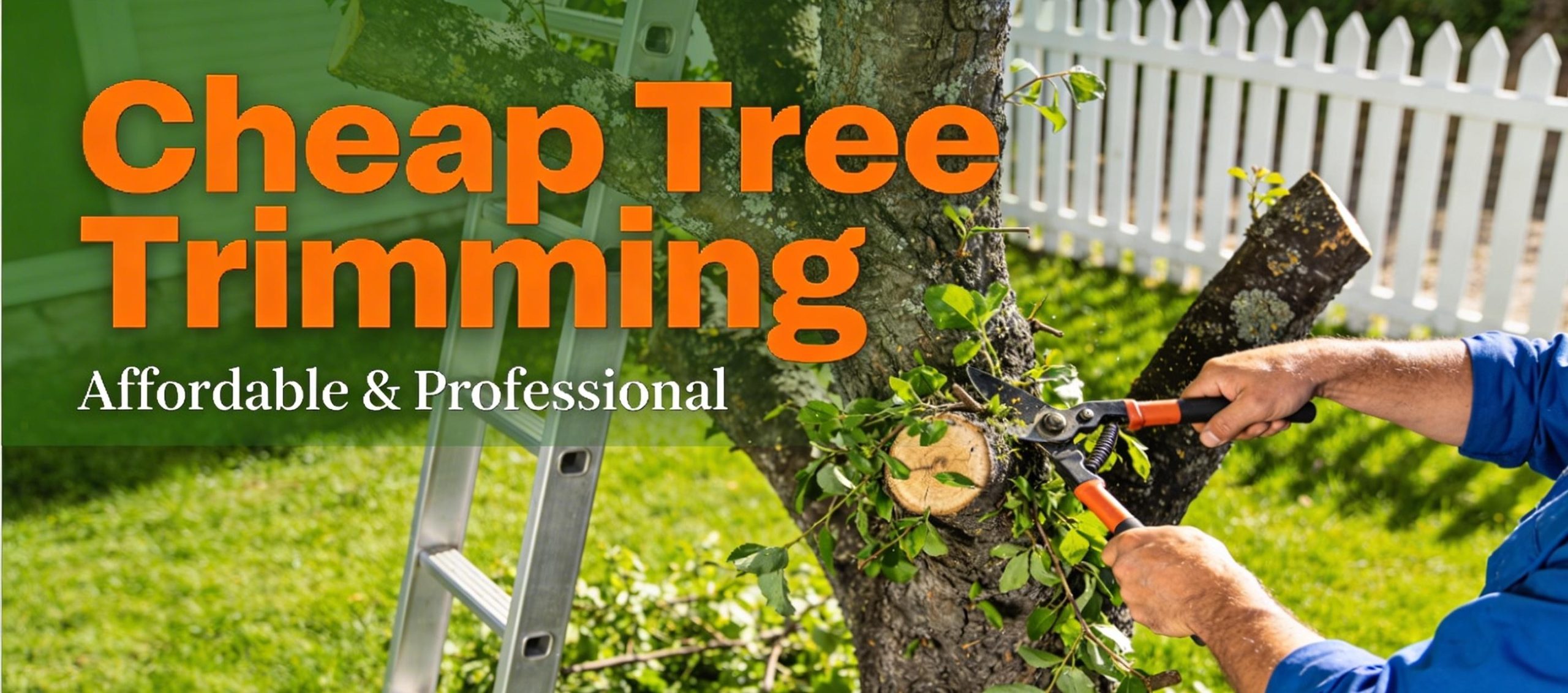
What Tree Trimming Really Does
Tree trimming is more than a cosmetic touch-up—it’s targeted maintenance that keeps trees healthy, resilient, and safe around people and property. By selectively removing dead, diseased, or structurally weak branches, trimming reduces storm breakage, improves airflow and light penetration, and protects roofs, fences, and power lines. When done correctly, it also promotes strong branch unions and balanced canopies that can better withstand wind, ice, or heavy rain. For homeowners, that means fewer emergency calls, less debris after weather events, and healthier trees that elevate the value of your landscape.
When to Trim: Seasonal Timing by Goal
The best time to trim depends on your objective and the species:
- Safety and clearance: Anytime hazards appear—hangers over driveways, limbs scraping roofs, or branches within utility easements—schedule trimming promptly.
- Health and structure: Late winter to very early spring is ideal in many U.S. regions, when trees are dormant and wounds close as growth resumes.
- Flowering trees: Trim right after bloom if you want to preserve next year’s flowers (many spring bloomers set buds on old wood).
- Heat- or drought-prone areas: Avoid heavy summer cuts that can stress trees; favor lighter, strategic pruning and consistent watering/mulching.
Desert and monsoon-influenced climates benefit from pre-storm-season reduction of weak end weight, especially on fast-growing species. Wherever you live, make fewer, cleaner cuts rather than frequent light nips—quality beats quantity.
DIY vs Hiring a Pro
- DIY makes sense for: Small ornamentals or shrubs, low branches you can reach safely from the ground, and basic deadwood removal with hand tools.
- Hire a professional for: Anything requiring a ladder or climbing, work near utilities, branches over structures, multi-stem codominant correction, and large canopy thinning.
- Why a certified arborist: ISA-certified arborists follow ANSI A300 pruning standards that preserve tree health while addressing risks and aesthetics.
How to Choose a Trusted Arborist in Columbus
- Certification: Ask if the crew includes an ISA Certified Arborist and if they follow ANSI A300/OSHA safety protocols.
- Insurance: Request proof of liability and workers’ comp; verify coverage dates and policy limits.
- Written scope: Get a clear plan that defines which limbs are removed, cut sizes, cleanup/haul-away, and stump services if applicable.
- References and photos: Review recent jobs similar to yours—species, size, and site constraints.
- No topping: Avoid any company that recommends “topping”; it creates hazardous regrowth and long-term decline.
Phoenix-Metro Examples and Resources
Arid-climate trimming requires special care. Shallow-rooted desert trees, palms, and storm-season prep benefit from local expertise and water-wise practices. If you’re in Greater Phoenix and the East Valley, consider these reputable starting points for quotes and service insights:
- Scottsdale tree trimming specialists for North Valley and Scottsdale neighborhoods.
- PV Trimmers in Phoenix for residential trimming and regular maintenance rounds.
- CORE Tree Service (Phoenix) for trimming, removals, and stump services in the metro area.
- Gilbert tree trimming pros serving Gilbert, Chandler, and East Valley communities.
- Jason’s Tree Services – trimming for palm care, structural pruning, and hazard reduction.
Use them to compare scopes, safety practices, and scheduling options—especially helpful before monsoon season.
Typical US Pricing and Service Scope
Costs vary by region, species, access, and risk level. The table below summarizes common U.S. price ranges for residential Tree Trimming and related services. These are typical estimates and may run higher for technical rigging, tight access, emergency work, or combined services.
| Service Type | Typical US Price Range | What’s Included |
|---|---|---|
| Small ornamental/shrub (under ~15 ft) | $75 – $250 | Shaping, deadwood removal, light thinning, debris haul |
| Small tree (up to ~20 ft) | $150 – $350 | Selective thinning, low-limb clearance, cleanup |
| Medium tree (20–35 ft) | $300 – $650 | Crown raise/thin, ladder or light climbing, chip/haul |
| Large tree (35–50 ft) | $600 – $1,200 | Climbing/rigging, structural cuts, full debris removal |
| Very large/mature (50–80 ft+) | $900 – $2,000+ | Advanced rigging, multi-crew, traffic/property protection |
| Palm trimming (single palm) | $90 – $200 | Frond and boot removal, shaping, cleanup |
| Storm/monsoon prep pruning | $250 – $700 | End-weight reduction, hazard mitigation, haul-away |
| Emergency wind damage response | $300 – $1,500+ (surcharge likely) | Priority dispatch, hazard abatement, debris handling |
| Stump grinding add-on (per stump) | $100 – $300 | 6–12 in. depth grind, chip pile or haul-off |
| Power line clearance (with coordination) | $500 – $1,500 | Specialized crew, safety spotter, compliance |
Safety, Permits, and Utility Clearances
- Utilities: Never cut within reach of energized lines. Call your utility for guidance; in many areas, they handle primary line clearance.
- Municipal rules: Some cities require permits for trimming street trees or heritage species; check your local urban forestry department.
- HOAs and setbacks: Confirm community rules on view corridors, tree heights, and approved species before major shaping.
- Jobsite safety: Professional crews use helmets, eye/hearing protection, rigging points, and drop zones—insist on these basics at your property.
Scheduling and Maintenance Plans
Most residential landscapes benefit from pruning every 2–4 years, depending on species vigor and site conditions. Fast-growing or weak-wood species may need more frequent attention, while slow-growing hardwoods can go longer. Tip: book trimming ahead of seasonal weather or peak leaf-out to avoid long wait times. For homes with multiple large trees, ask about rotating maintenance plans that stage work over several visits to spread cost and keep canopies balanced year-round.
Eco-Friendly Disposal and Waste Options
- On-site mulching: Keep chips for beds and paths to conserve moisture and suppress weeds.
- Green waste recycling: Many pros deliver debris to composting facilities; ask where your material goes.
- Firewood and habitat: Sound hardwood branches can be cut for firewood, and small log sections can be staged as habitat in wild areas (where permitted).
Quick Prep Checklist Before Your Appointment
- Access: Move vehicles, open gates, and identify fragile hardscape or irrigation heads near work areas.
- Pets and kids: Keep them indoors or away from drop zones during the entire job.
- Mark utilities: Flag sprinkler lines and low-voltage lighting; note septic or drainage features.
- Outcome notes: Share your goals (shade, views, clearance) so the arborist can trim accordingly.
A thoughtful Tree Trimming plan delivers stronger, safer, and better-looking trees while protecting your home and budget. Compare a couple of quotes, verify safety credentials, and schedule work before high-wind or storm seasons. With the right team and timing, your trees will reward you with beauty and stability for years to come.