
Beat the heat with the right cooling solution. Learn how to size, shop, and save on energy without sacrificing comfort. See real prices, smart features, and pro tips to get more for your money.
Quick take: which type fits your space?
- Window AC: Best for single rooms and apartments where a window can support the unit. Typically the lowest upfront cost and easy to DIY install.
- Portable AC: Rolls from room to room and vents through a window kit. Flexible, but usually louder and slightly less efficient than window units.
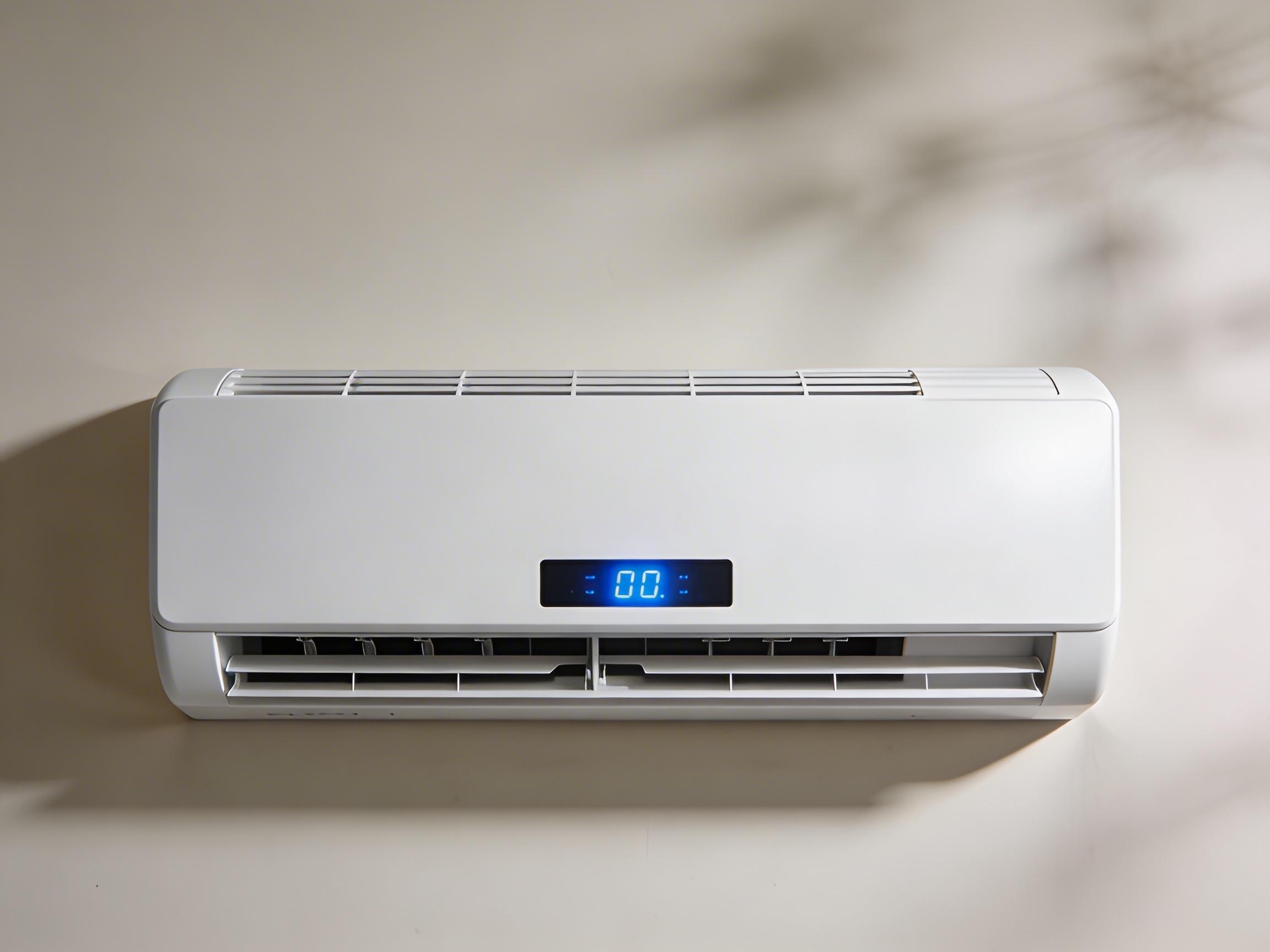
- Mini-split (ductless): Ultra-efficient, quiet, and great for additions or homes without ducts. Higher upfront cost, lower long-term bills.
- Central AC: Whole-home comfort using existing ductwork. Ideal for multi-room cooling and smart zoning when paired with modern thermostats.
Sizing and efficiency: get BTUs and SEER2 right
Choose cooling capacity (BTUs) based on room size and conditions. A quick rule-of-thumb is about 20 BTU per square foot, then adjust for your real-world environment. Add 10–20% for sunny rooms or kitchens, subtract a bit for shaded spaces, and consider higher capacity for high ceilings or high occupancy.
- Efficiency terms: Window/portable units list EER or CEER; whole-home and mini-splits use SEER2 (higher is better). Inverter compressors modulate output to cut noise and power spikes.
- Voltage: Many window units run on 115V; larger window and mini-splits may need 230V circuits. Verify your panel capacity before buying.
- Climate nuance: In humid regions, look for strong dehumidification modes. In Columbus, peak humidity or long heat waves can justify upsizing one capacity tier.
Room size, BTU match, and energy cost snapshot
The table below shows typical pairings and an estimated seasonal energy cost using a national average electricity rate of $0.16/kWh, 8 hours/day for 90 days, and an efficiency around EER 11 for room ACs. Actual costs vary by climate, settings, and insulation.
| Room Size (sq ft) | Suggested BTU | Est. Seasonal Energy Cost |
|---|---|---|
| Up to 150 | 5,000 BTU | $50–$60 |
| 150–300 | 6,000–8,000 BTU | $70–$90 |
| 300–450 | 10,000–12,000 BTU | $110–$140 |
| 450–700 | 14,000–18,000 BTU | $160–$200 |
| 700–1,000 | 18,000–24,000 BTU | $210–$260 |
Real-world prices you can expect
These example items reflect typical U.S. pricing for popular models and capacities as seen at major retailers and wholesalers. Use them to benchmark deals where you shop.
| Brand / Model | Type & Capacity | Sample Price (USD) |
|---|---|---|
| LG LW1022IVSM | Window, 9,500 BTU (Inverter) | $399 |
| Frigidaire FFRE083WAE | Window, 8,000 BTU | $279 |
| GE AHEK05AC | Window, 5,000 BTU | $169 |
| Midea U-Shaped MAW12S1 | Window, 12,000 BTU (Inverter) | $479 |
| Black+Decker BPACT12WT | Portable, 12,000 BTU | $419 |
| Hisense HAP12 | Portable, 12,000 BTU | $449 |
| TCL TACW12 Inverter | Window, 12,000 BTU (Inverter) | $429 |
| Pioneer Diamante 12k | Mini-split, 12,000 BTU | $899 |
| MRCOOL DIY 18k | Mini-split, 18,000 BTU | $1,898 |
| Lennox Merit 14ACX 2.5 Ton | Central AC condenser (equipment) | $2,300–$2,600 |
| Lennox Elite EL18XCV 3 Ton | Central AC condenser (equipment) | $4,000–$4,500 |
Note: Installed prices for central systems vary widely by home, ductwork, and labor in your area. Compare dealer quotes and look for rebates.
Where to buy trusted units online
- Big-box variety: Compare sizes, brands, and customer reviews at Home Depot air conditioners and Lowe’s air conditioners & fans.
- Value picks: Find budget-friendly window and portable units at Walmart air conditioners.
- Wholesale options: Browse competitive pricing on mini-splits and central equipment at AC Direct online wholesaler.
- Premium whole-home: Explore high-efficiency systems at Lennox air conditioners and connect with authorized dealers for quotes.
Installation and electrical checks
- Measure twice: Confirm window width/height, sill depth, and outlet location. For portable units, ensure the included vent kit fits your window style.
- Dedicated circuits: Larger window and most mini-splits need a 230V circuit. Have an electrician add a breaker or disconnect if required.
- Safe mounting: Use the bracket or sleeve provided; for older buildings, consider a universal support bracket to protect sashes and siding.
- Mini-split details: Line set length, vacuuming, and refrigerant handling matter. DIY-friendly kits exist, but many homes benefit from pro installation to preserve warranties and efficiency.
Smart features that actually matter
- Inverter compressors: Quieter, fewer temperature swings, and lower bills—worth it if you run the unit many hours per day.
- Wi‑Fi and voice control: Pre-cool before you arrive and automate with schedules or geofencing.
- Auto-evaporation and dry mode: Reduces bucket emptying for portables and cuts sticky humidity on muggy days.
- Filter reminders: A simple alert keeps air flow strong and energy use down.
Maintenance and lifespan
- Monthly filter care: Rinse or replace during peak season; clogged filters can raise energy use by 5–15%.
- Coil hygiene: Gently clean evaporator and condenser fins at the start of summer; bent fins reduce performance.
- Drainage check: Ensure condensate drains freely; standing water invites mold and musty odors.
- Service rhythm: Central systems benefit from annual tune-ups; room units typically last 7–12 years when maintained.
Ways to save in Columbus
- Utility rebates: Many U.S. utilities offer incentives for ENERGY STAR room units or high-SEER2 heat pumps. Check your local provider’s marketplace.
- Right-size first: Oversizing can short-cycle and waste energy; an inverter unit sized correctly often delivers the best comfort-per-dollar.
- Seal and shade: Weatherstrip leaky windows and add reflective shades or film. Lowering heat gain lets you choose a smaller, cheaper unit.
- Smart schedules: Use eco modes, timers, and ceiling fans to raise the setpoint without losing comfort.
Bottom line
Picking the perfect air conditioner is about matching capacity to your space, choosing the right format for your home, and weighing energy features that pay you back all summer long. Use the pricing table to sanity-check deals, then compare availability and reviews at national retailers and brand sites. Whether you cool a studio or an entire home, a well-chosen unit will keep you comfortable while keeping bills predictable.