
In today's fast-paced world, many households face challenges in accessing nutritious food. Food Box Programs are becoming a lifeline for such families, offering a convenient and affordable way to obtain healthy food. Let's explore how these programs are shaping communities and changing lives.
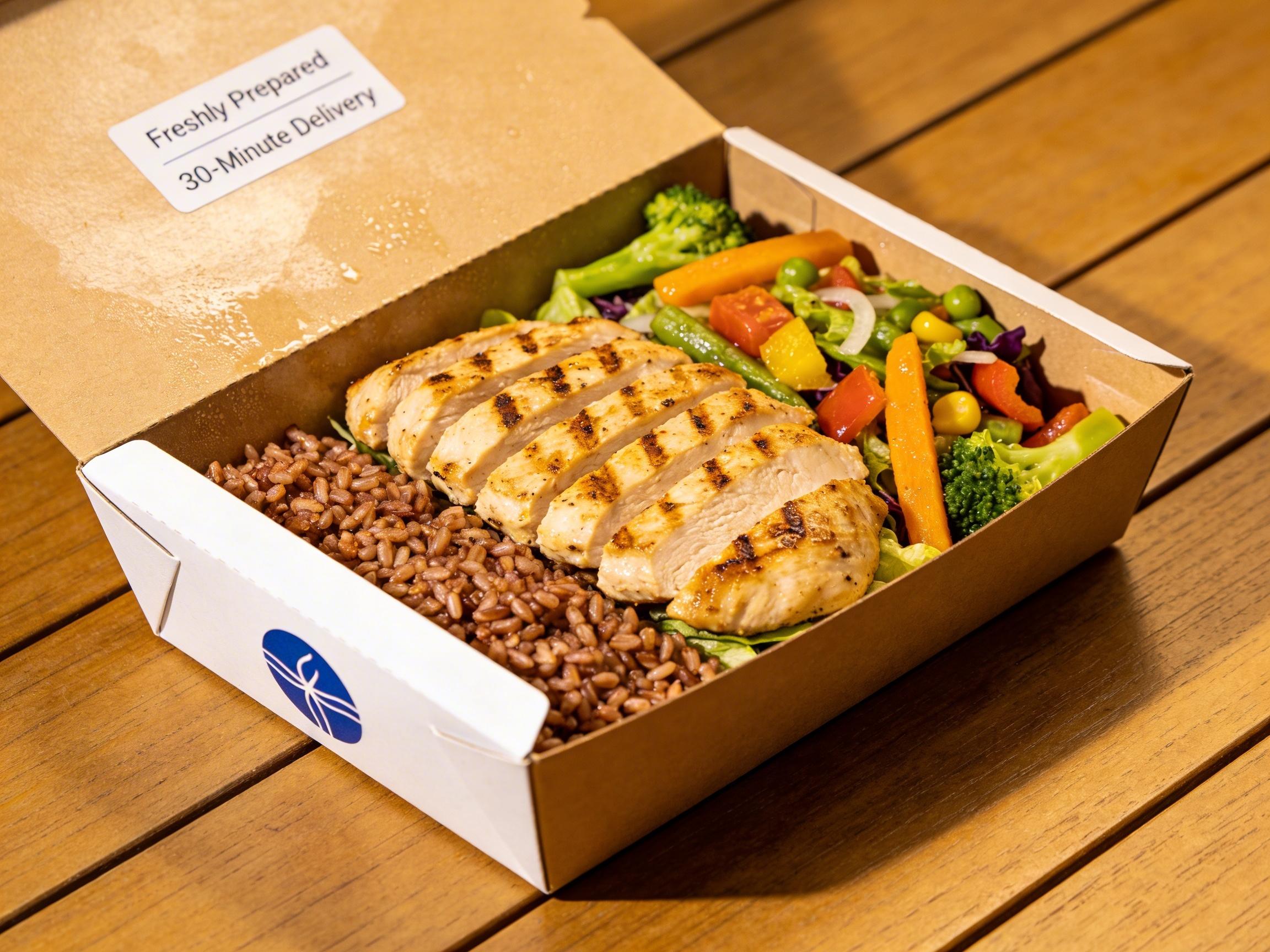
What Are Food Box Programs?
Food Box Programs are initiatives designed to provide individuals and families with a curated selection of fresh, nutritious food. The goal is to offer an affordable and convenient alternative to traditional grocery shopping, especially for those in food deserts or underserved areas. These programs come in various formats. Some focus on providing fresh produce, while others offer a more diverse selection, including pantry staples, dairy, and meats.
The USDA Farmers to Families Food Box Program is a prime example, initially launched to support farmers and families during the COVID-19 pandemic. Similarly, local initiatives like the Food Box Program with GrowNYC aim to connect urban communities with farm-fresh produce.
Benefits of Food Box Programs
Food Box Programs offer numerous benefits, both to participants and the broader community. Here are some key advantages:
- Accessibility: These programs bring fresh food directly to consumers, eliminating the need to travel long distances to grocery stores.
- Affordability: By purchasing in bulk and working directly with local farmers, many programs can offer lower prices than traditional retailers.
- Nutrition: With a focus on fresh produce and whole foods, participants receive nutrient-rich items that contribute to a balanced diet.
- Support for Local Agriculture: Food Box Programs help sustain local agriculture by purchasing directly from regional farms, promoting economic sustainability within communities.
Programs like the Revolutionize Your Health with Our Nutritious Food Box are an incredible resource for individuals striving to maintain a healthy lifestyle.
Who Benefits from Food Box Programs?
Food Box Programs are designed with inclusivity in mind and cater to a diverse range of participants:
- Low-Income Families: Programs often provide discounted rates or subsidy options for families in need.
- Seniors: Programs such as the Commodity Supplemental Food Program (CSFP) specifically target senior citizens, ensuring they receive nutritious meals without financial strain.
- Health-Conscious Consumers: Those looking to embrace a healthier lifestyle can benefit from the curated selection of wholesome foods.
- Rural and Urban Communities: Whether servicing rural food deserts or urban neighborhoods, these boxes bring fresh produce to the doorstep.
For a closer look at how these programs support seniors, explore the Senior Food Programs, Free Senior Meals provided by Feeding America.
Pricing and Availability
Pricing for Food Box Programs may vary depending on several factors, including the contents of the box, delivery frequency, and regional considerations. Here is a comparison of some programs:
| Program | Price Range | Availability |
|---|---|---|
| USDA Farmers to Families | Free to Eligible Participants | Nationwide |
| Revolutionize Your Health | $25 - $75 per box | Regional |
| GrowNYC Food Box | $14 - $20 per box | New York City |
| CSFP | Free to Seniors | Select Cities |
| Feeding America Senior Programs | Free | Nationwide |
How to Get Involved
Getting involved with a Food Box Program, either as a participant or a volunteer, is an excellent way to support community health and sustainability. Here’s how you can contribute:
- As a Consumer: Enroll in a nearby program to receive fresh food boxes regularly. Contact local community centers or search online for available programs in your area.
- As a Volunteer: Many programs rely on volunteers for distribution and outreach. Reach out to local Food Box initiatives to offer your time or resources.
- As a Donor: Financial contributions can help expand these programs, ensuring more families benefit from nutritious food options.
In conclusion, Food Box Programs provide much-needed support for countless families across the United States by improving access to nutritious food, supporting local agriculture, and fostering community resilience. By participating or supporting these programs, you become part of a vital movement towards healthier communities.